2017
Transformers Online
Tencent Game
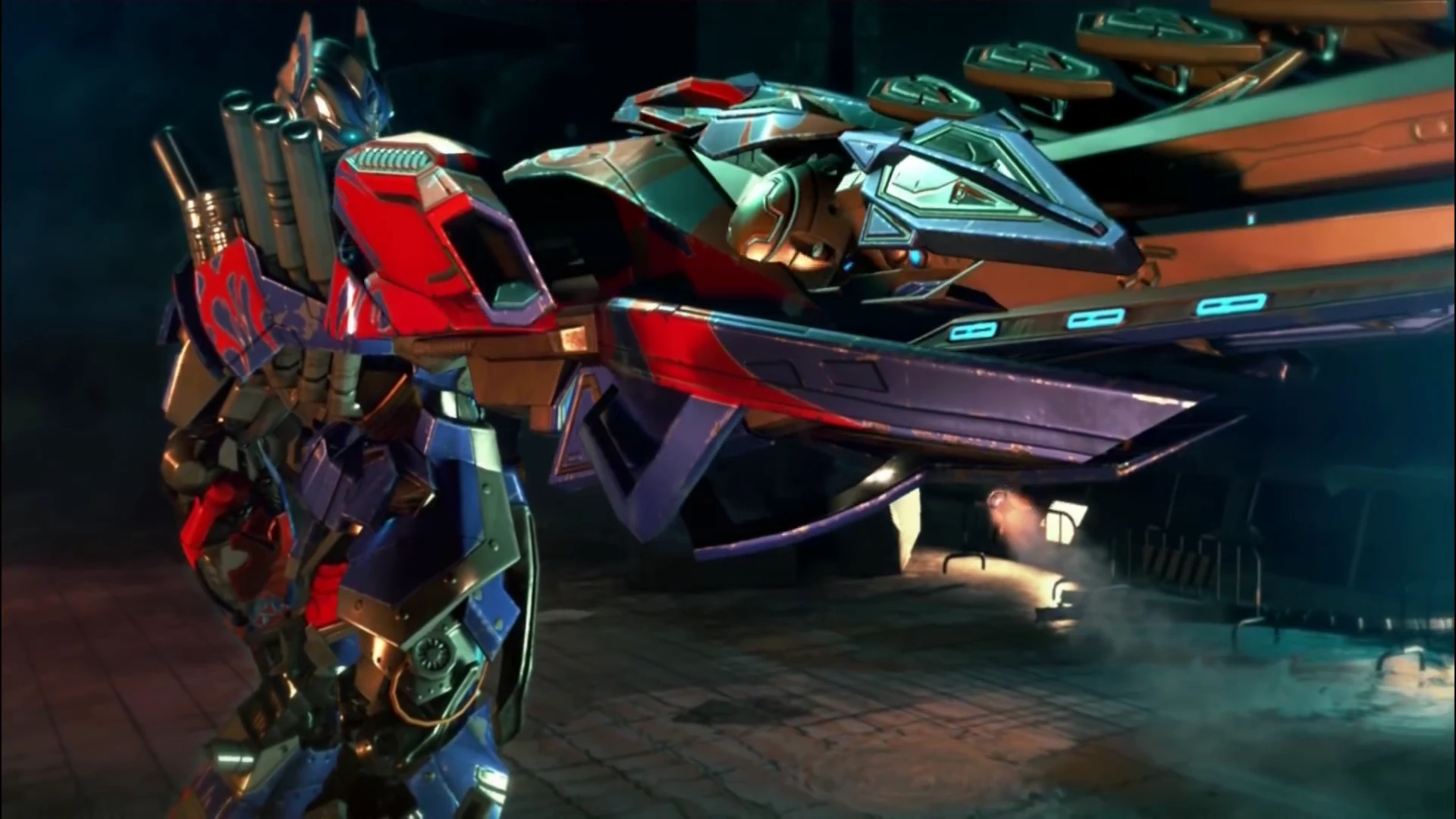
This project involves 3D asset production for Transformers Online, a multiplayer action game based on the Transformers.
NDA note: Production files cannot be shared. Technical breakdowns show a personal practice asset using the same pipeline; game screenshots are presented separately for visual context.
Hard-Surface Environment Modeling
Hard-surface environment assets are built as a modular kit to maximize reuse and ensure consistent scale, proportions, and visual language across a level. Wall panels, trims, frames, pipes, and structural supports follow a shared grid and snapping logic, with repeating elements designed for instancing and efficient draw calls.
Detail is prioritized where players get close—silhouette, intersections, and focal read—while secondary complexity is reduced through simplified geometry, baked normals, and controlled material variation. The kit is designed to integrate cleanly with LODs, lightmap/UV requirements, and PBR channel-packed textures for stable real-time performance.
UV Layout & Padding
In standard game pipelines, UV packing is treated as a production constraint rather than an aesthetic choice. For a 1024 texture set, 4–6 pixels of spacing between UV islands (with mip expansion in mind) helps minimize bleeding and preserve usable texel area. This padding discipline increases effective texture fidelity in-engine.
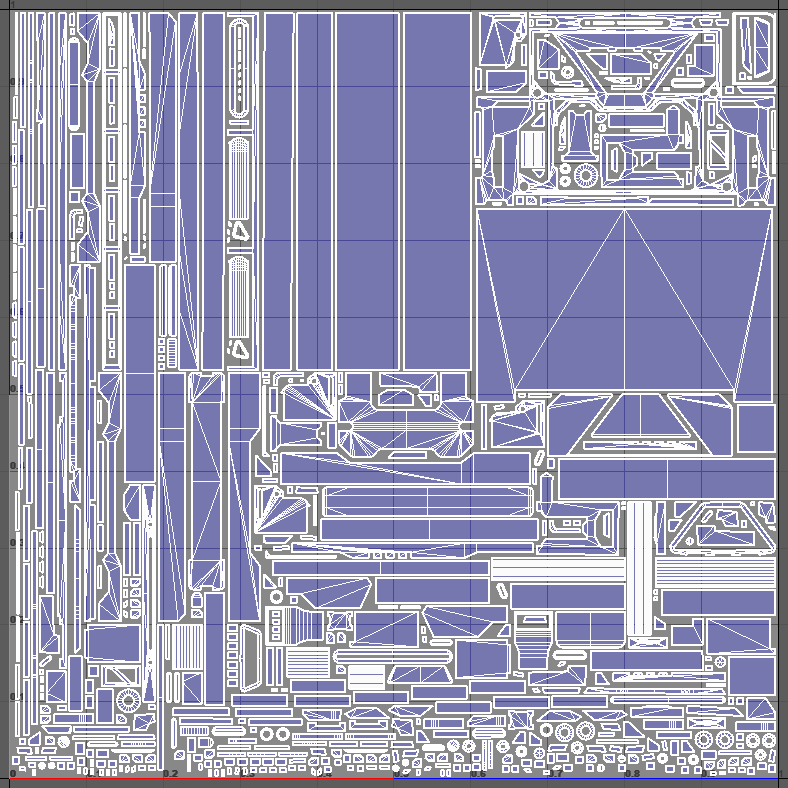
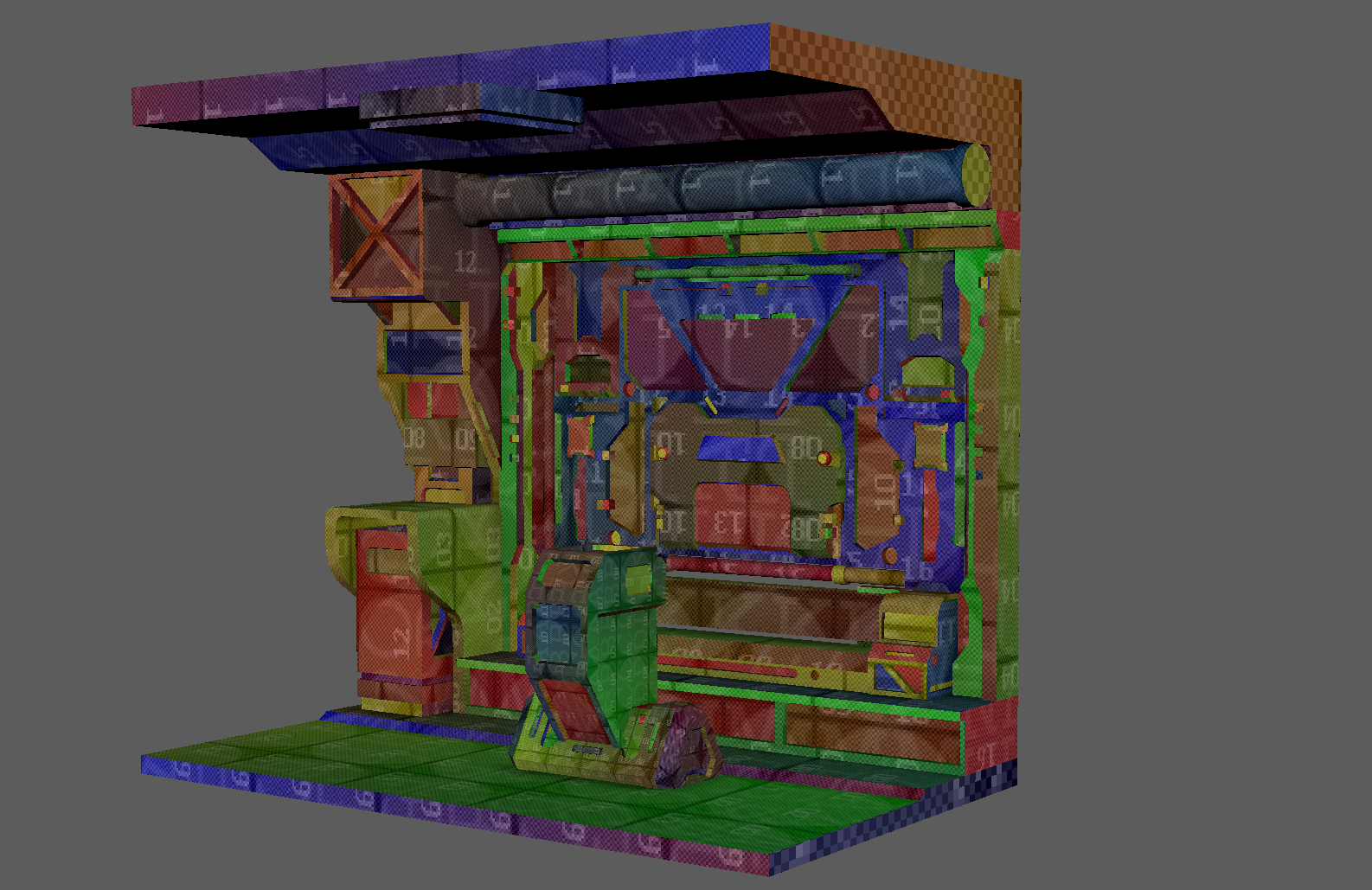
Texel Density & Readability
Texel density is kept consistent across related assets so materials read coherently at the same camera distance. When budgets require trade-offs, resolution is prioritized for player-facing surfaces and silhouette-critical areas, while less visible regions share space or receive lower density. This maintains clarity without unnecessary memory cost.
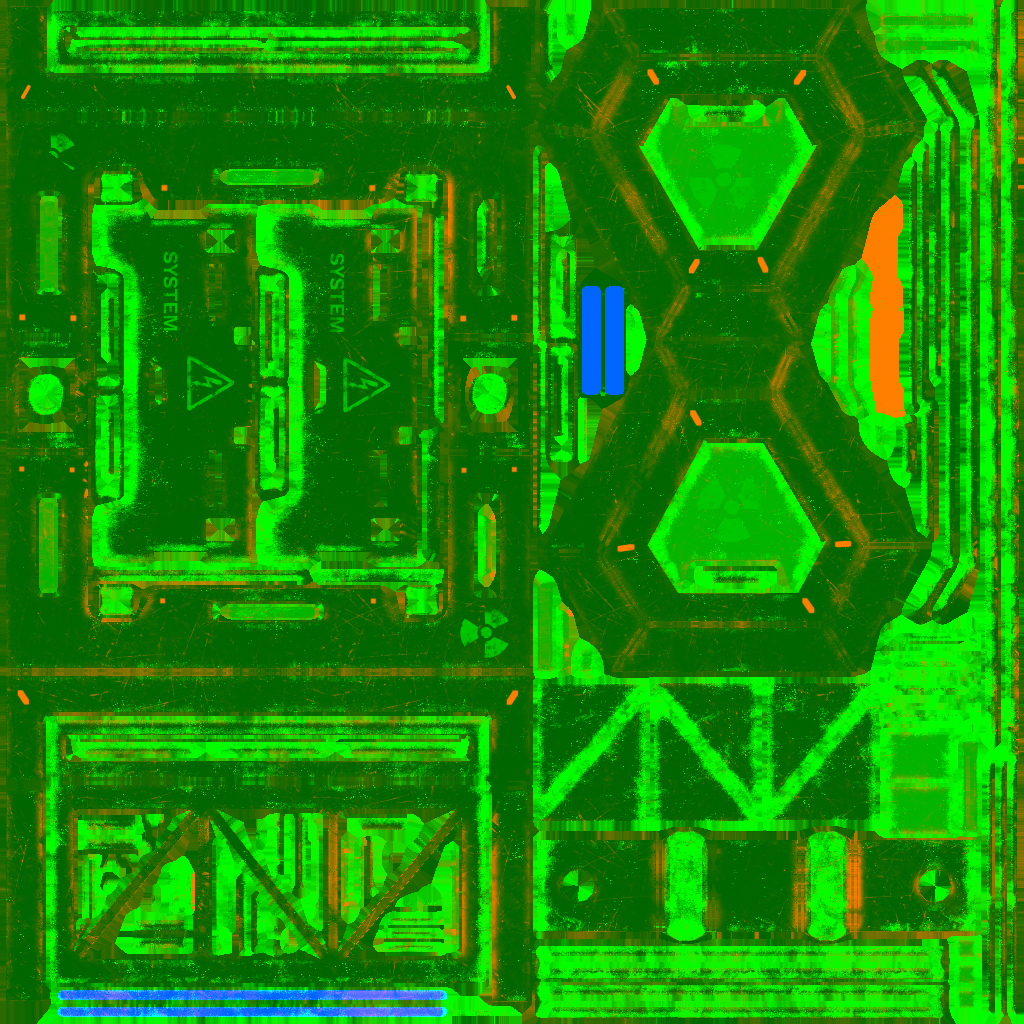
PBR Workflow: Channel Packing
In real-time PBR workflows, grayscale maps such as Roughness, Metallic, and Ambient Occlusion are commonly packed into separate RGB channels of a single PNG texture (often referred to as ORM/RMA packing). This reduces texture count, lowers memory bandwidth, and improves streaming efficiency while keeping the shading response consistent in-engine.
Typical conventions place AO in one channel, Roughness in another, and Metallic in the remaining channel, with the exact channel order aligned to the target engine/material template to avoid mismatches.
Game Views
.jpg.webp)
.png.webp)
.jpg.webp)
.png.webp)
.jpg.webp)
.png.webp)
.jpg.webp)
.png.webp)