2020–2023
Procedural Worldbuilding
Rule-Based Environment Generation through Terrain, Biomes, Materials, and Code.
This project focuses on building large-scale environments through procedural generation. The goal is to explore how rule-based systems, custom attributes, and code-driven tools can create complex scenes with high flexibility and rapid iteration.
This project expands from generative image-making into a reusable environment workflow in Houdini. The system focuses on art-directable controls—terrain formation, biome-driven scattering, and mask-based material blending—so a single setup can generate many consistent variations while remaining editable at every stage.
HeightField Terrain Generation
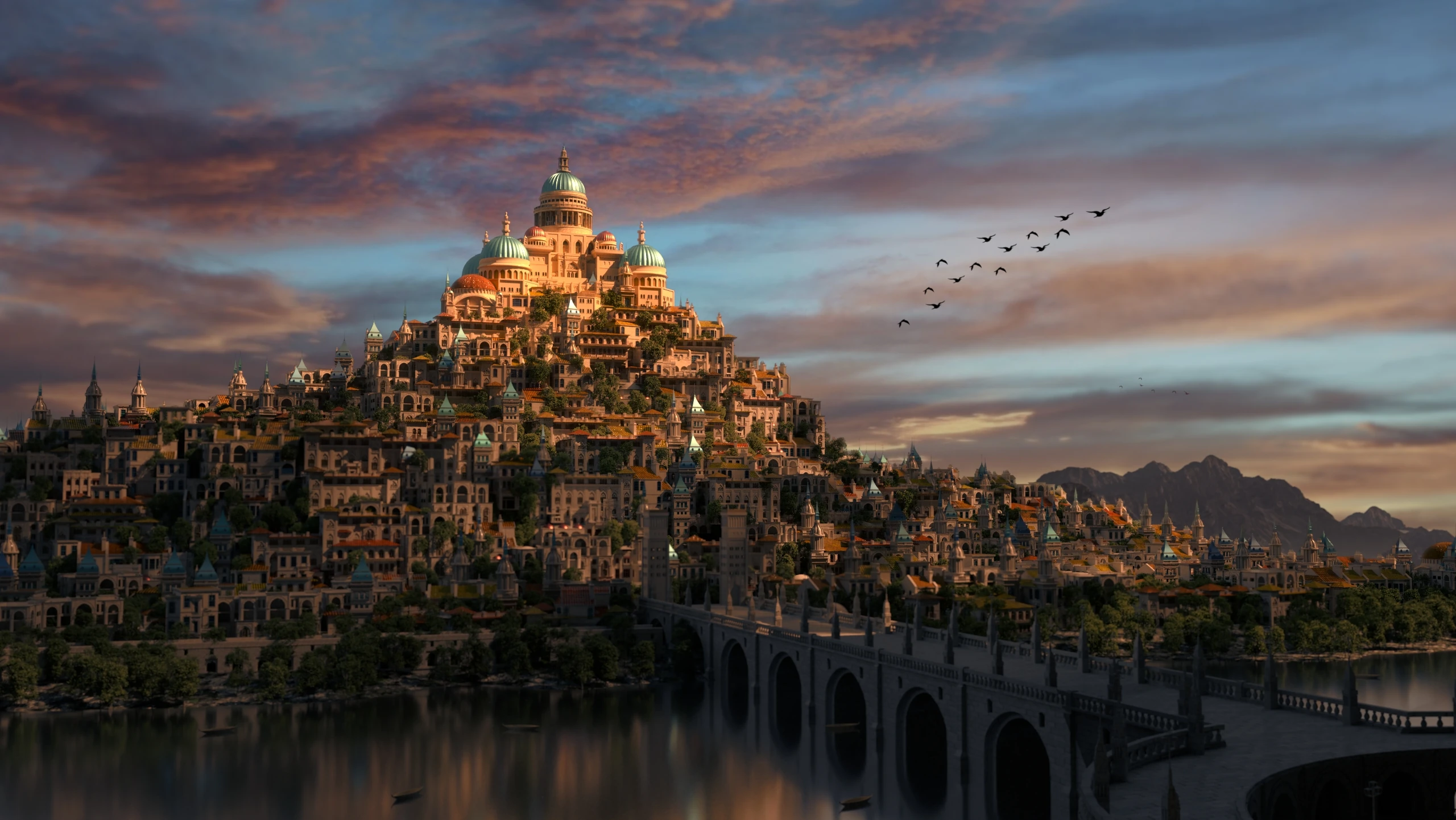
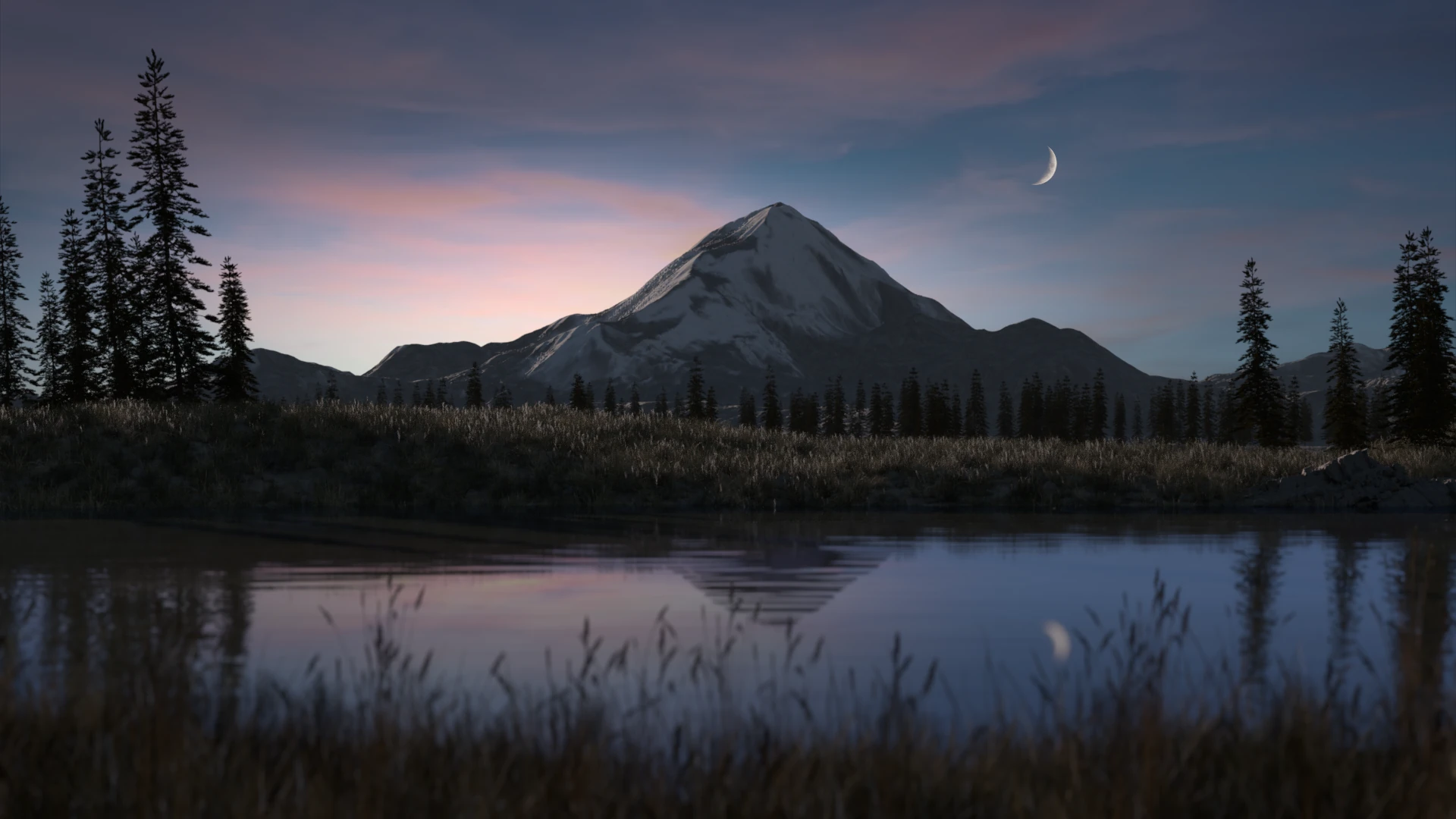
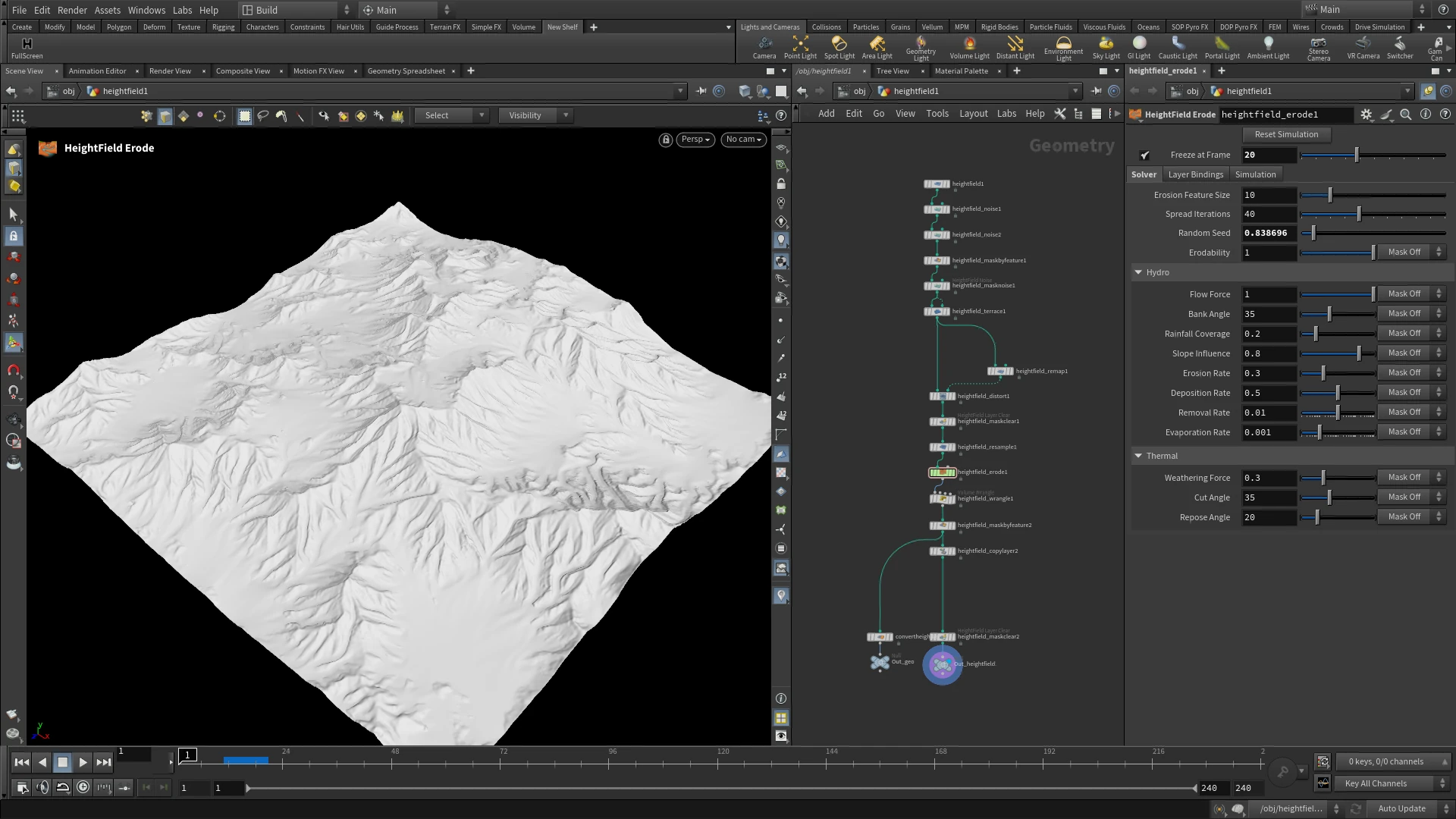
Terrain is created with Houdini HeightFields and treated as a layered dataset rather than a single height map. Primary forms are established first, then refined through erosion and filtering passes. Derived fields—slope, flow, curvature, and custom masks—become shared control signals for both scattering and surfacing, keeping terrain shape and look development in sync.
Biome Vegetation Scattering System
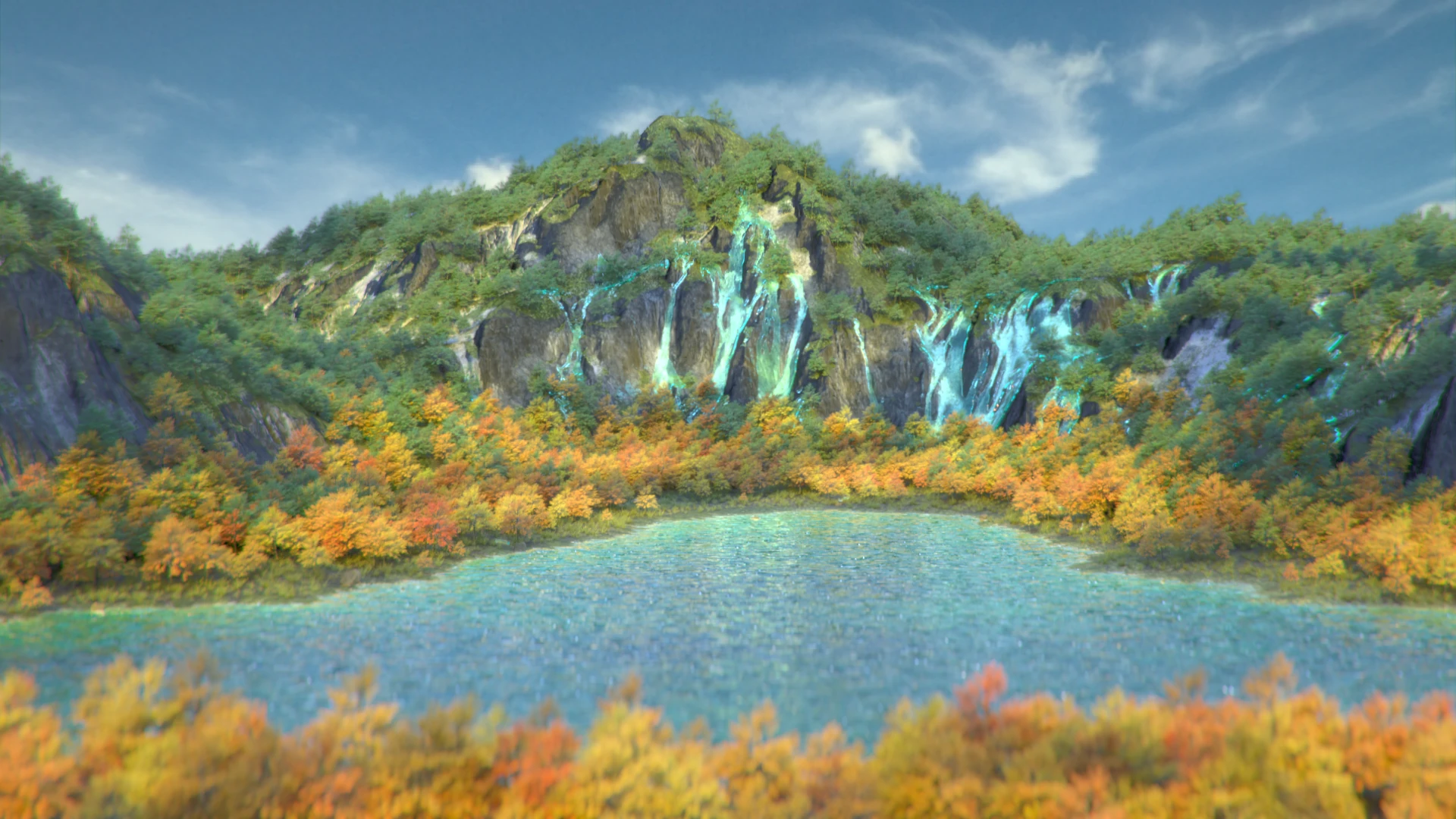
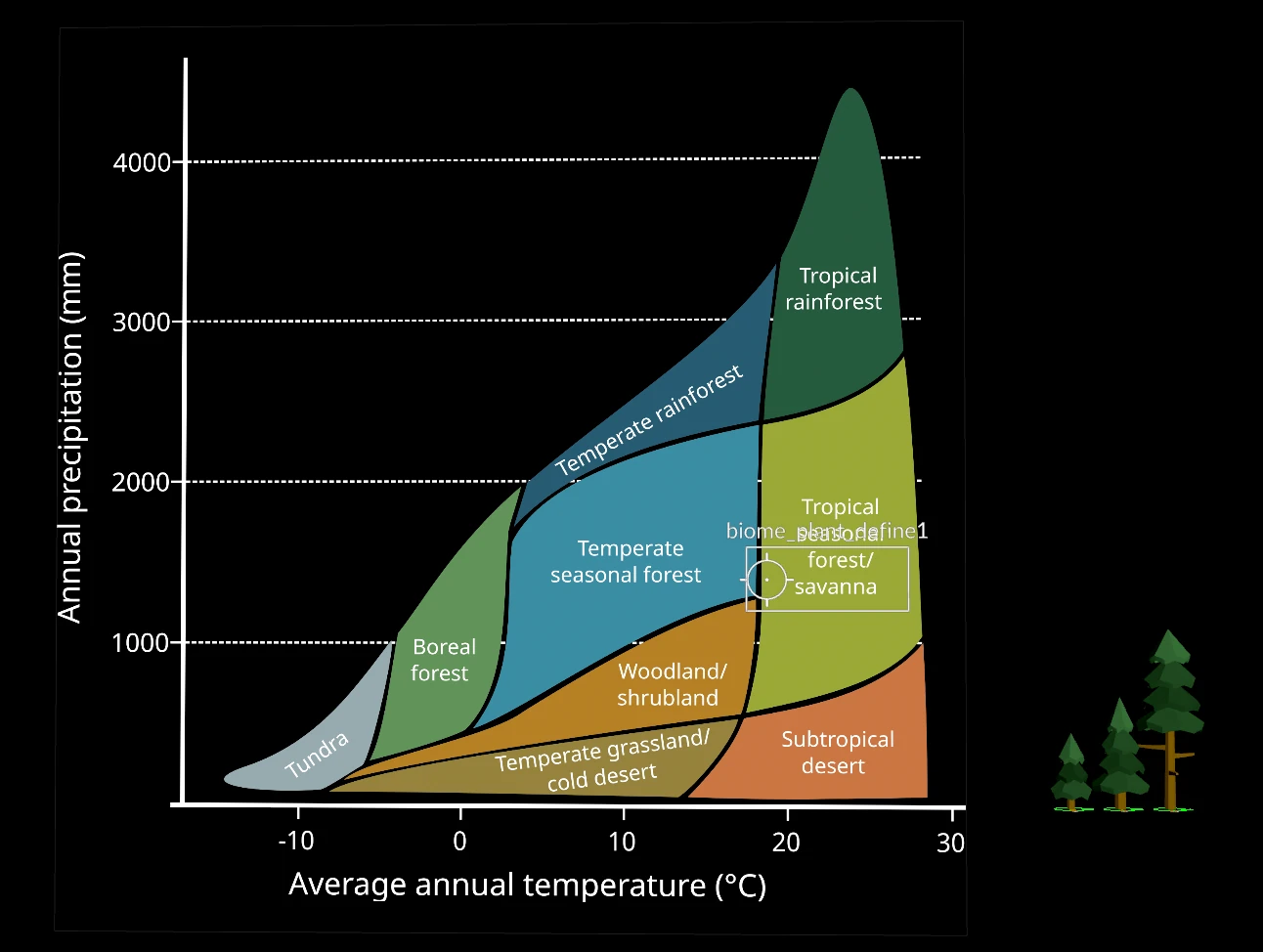
Vegetation distribution is generated through biome rules driven by HeightField attributes. Density is controlled by altitude and slope thresholds, with additional breakup masks for clustering, clearings, and edge variation. Instances inherit orientation and scale from the terrain field, allowing consistent placement while keeping enough stochastic variation for natural results.
Mask-Driven Material Blending
Surfacing is controlled through a mask stack derived from HeightFields, including slope- and height-based layers plus authored masks for art direction. These masks drive material blending to maintain coherent transitions (e.g., rock-to-soil, soil-to-grass) and keep the visual language consistent with the scattering logic.
.webp)
.webp)
.webp)
.webp)
MaterialX Automation (Python HDA)

To reduce repetitive shader setup, a Python-driven HDA generates MaterialX networks automatically from standardized texture sets and naming conventions. The tool builds a consistent node graph, connects maps, exposes common look-dev controls, and enforces uniform parameter interfaces—making materials faster to iterate and easier to reuse across scenes.
Render Breakdown
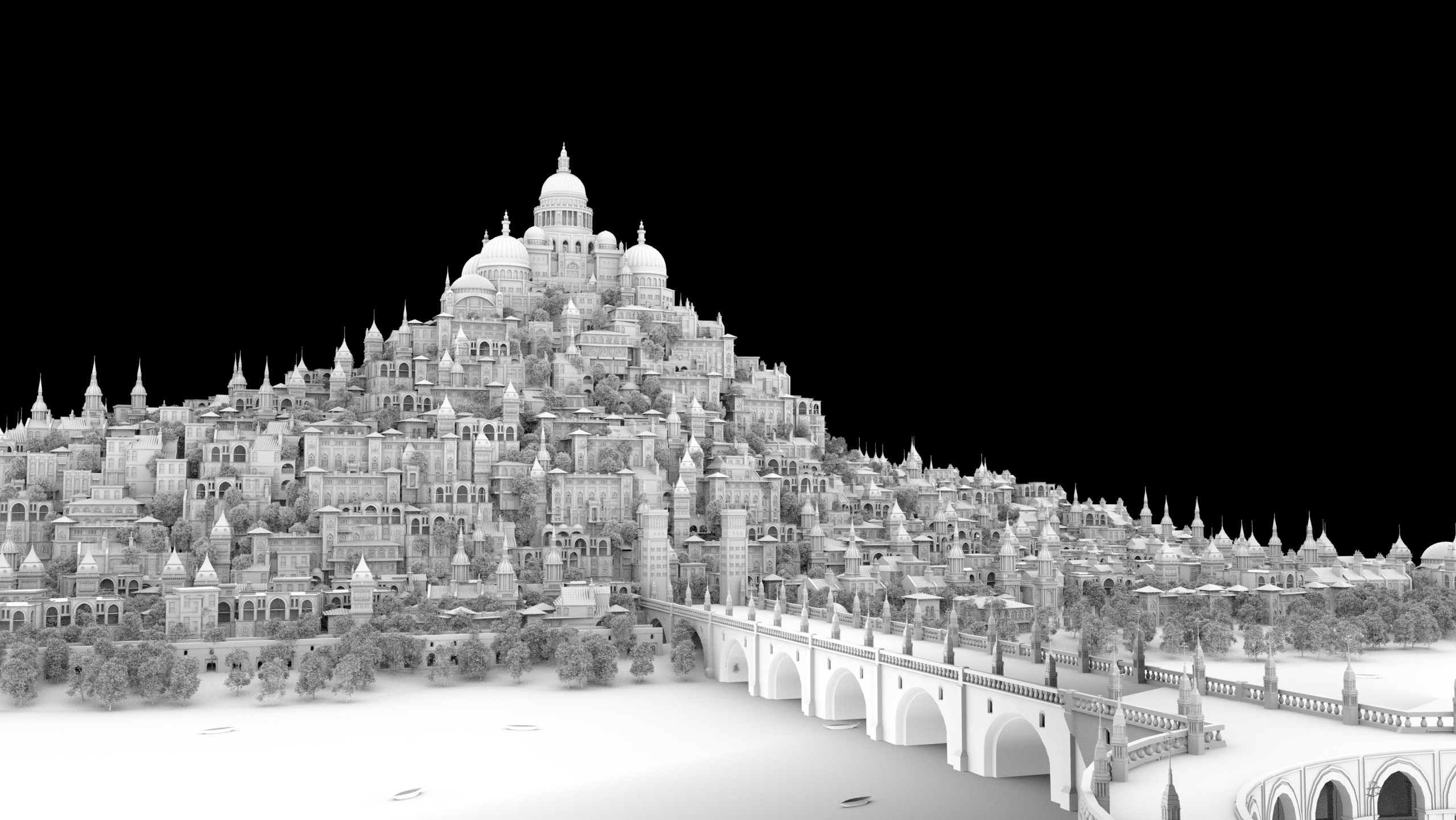
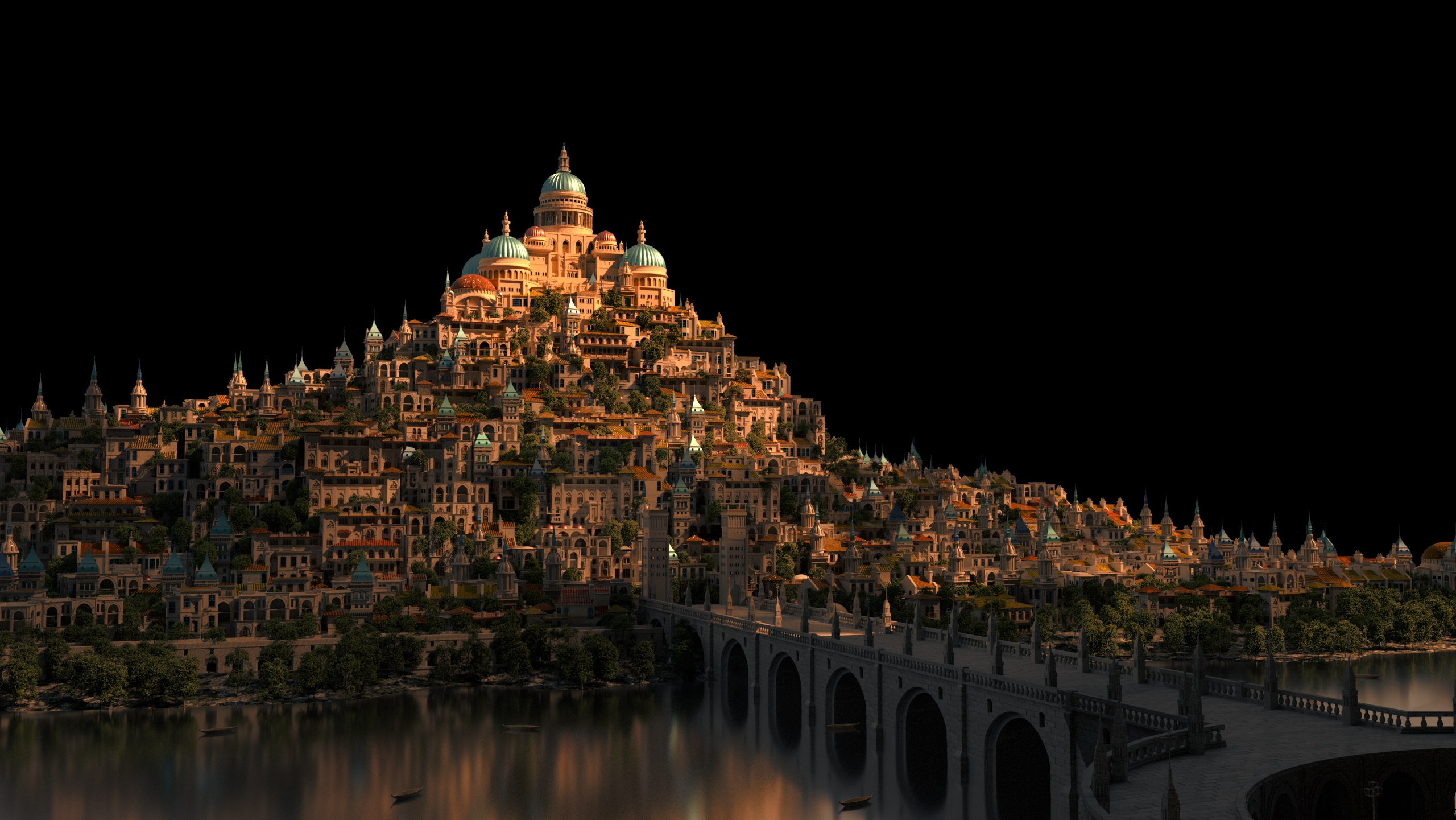
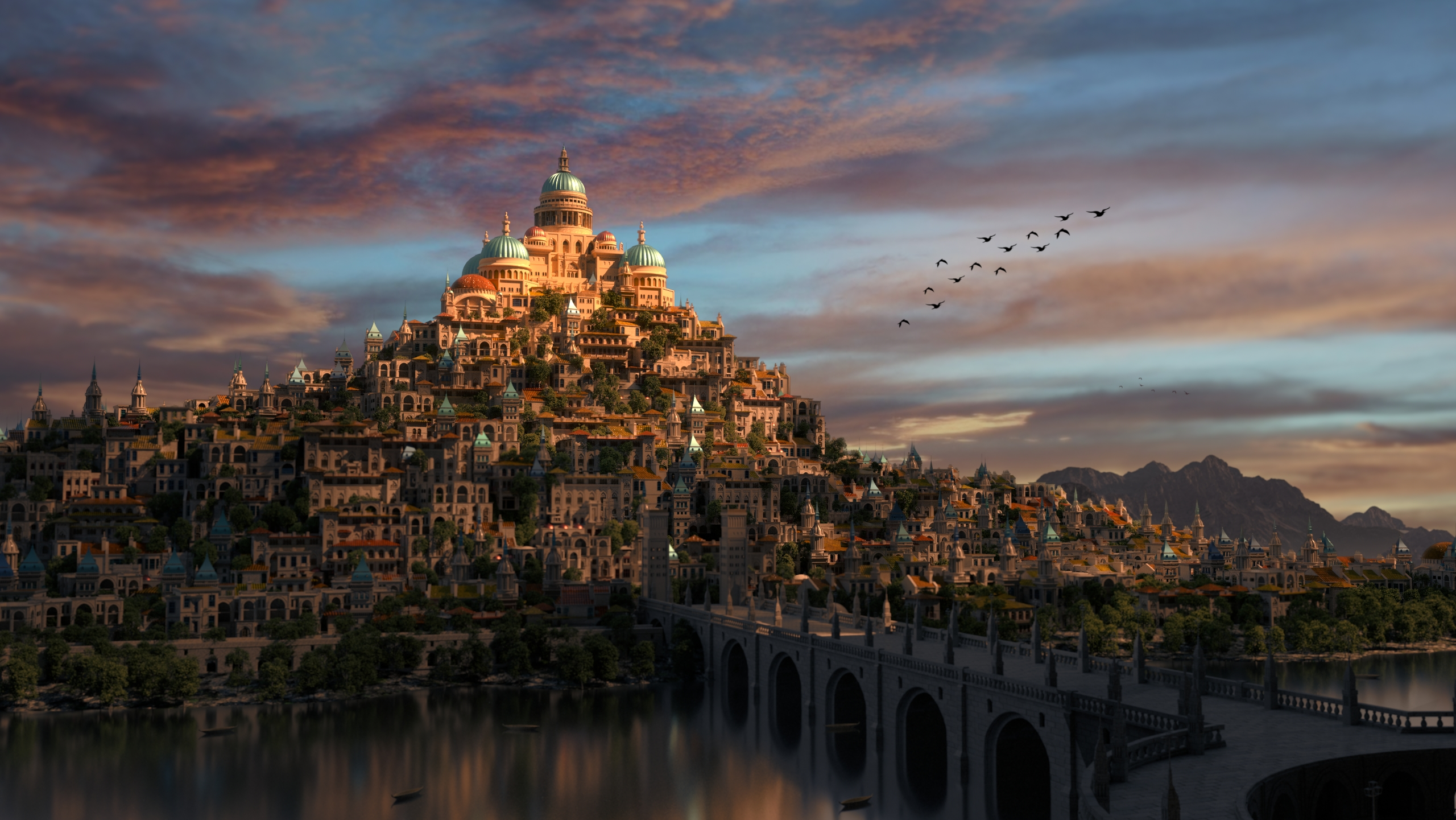
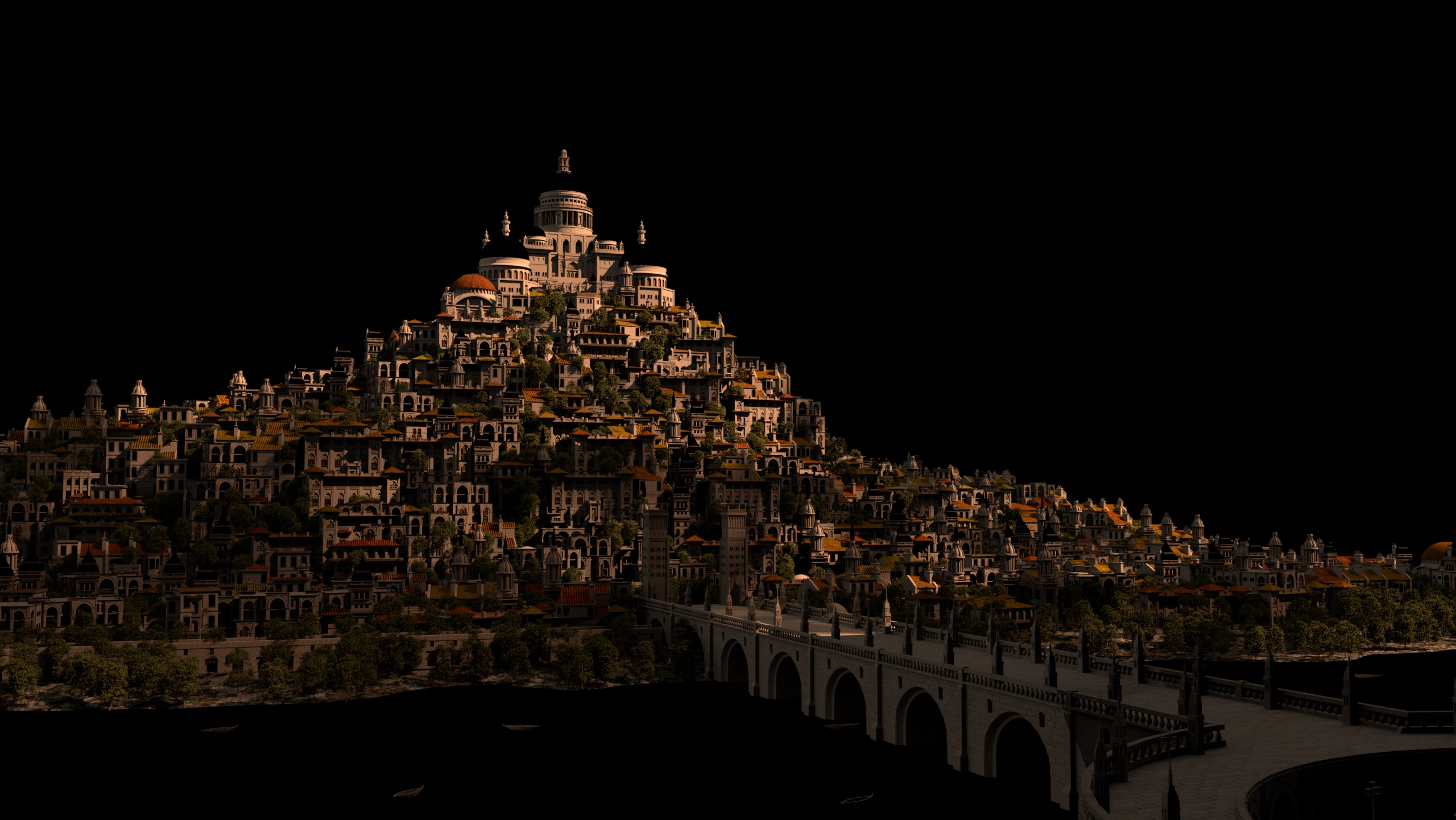
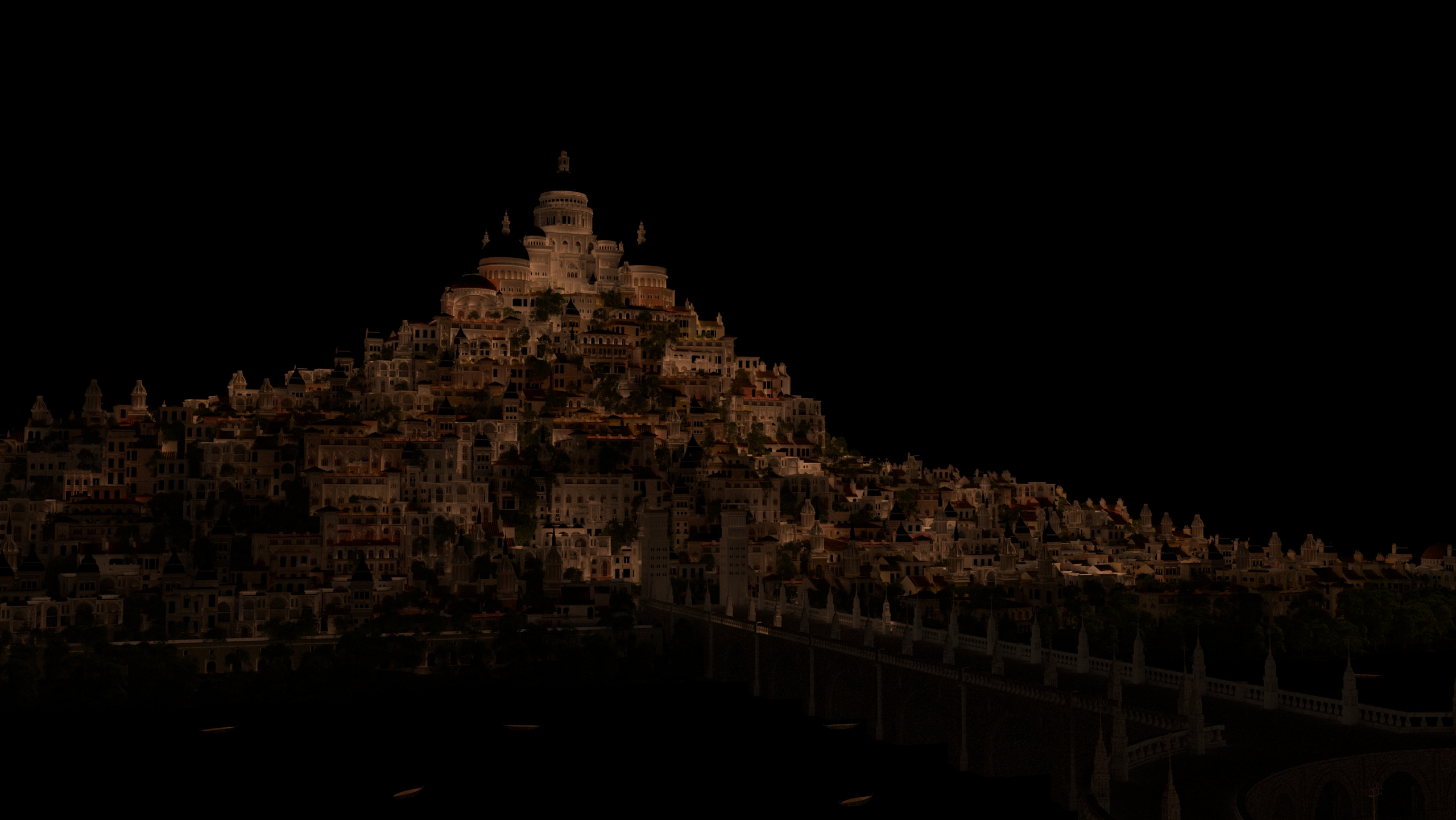
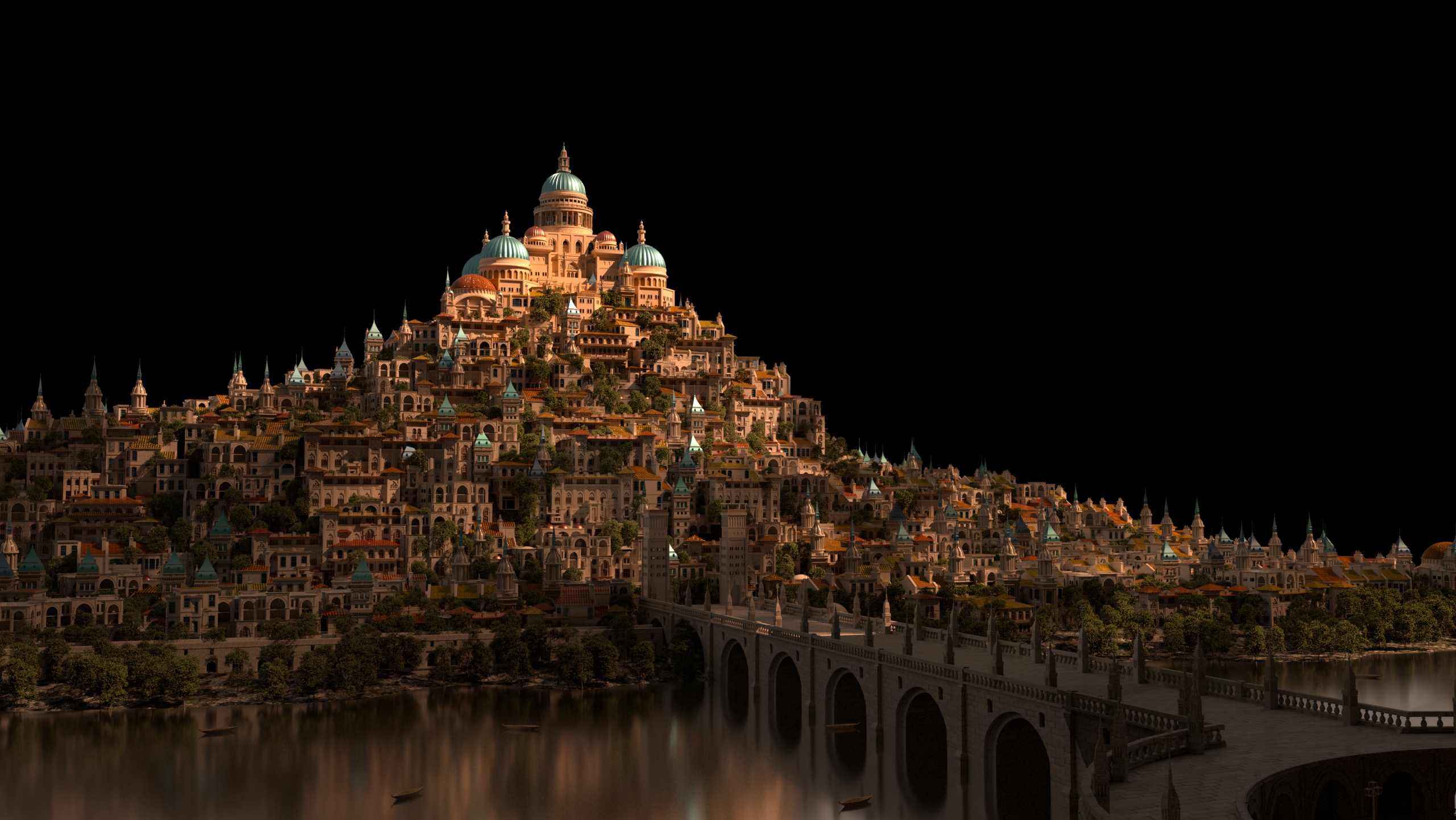
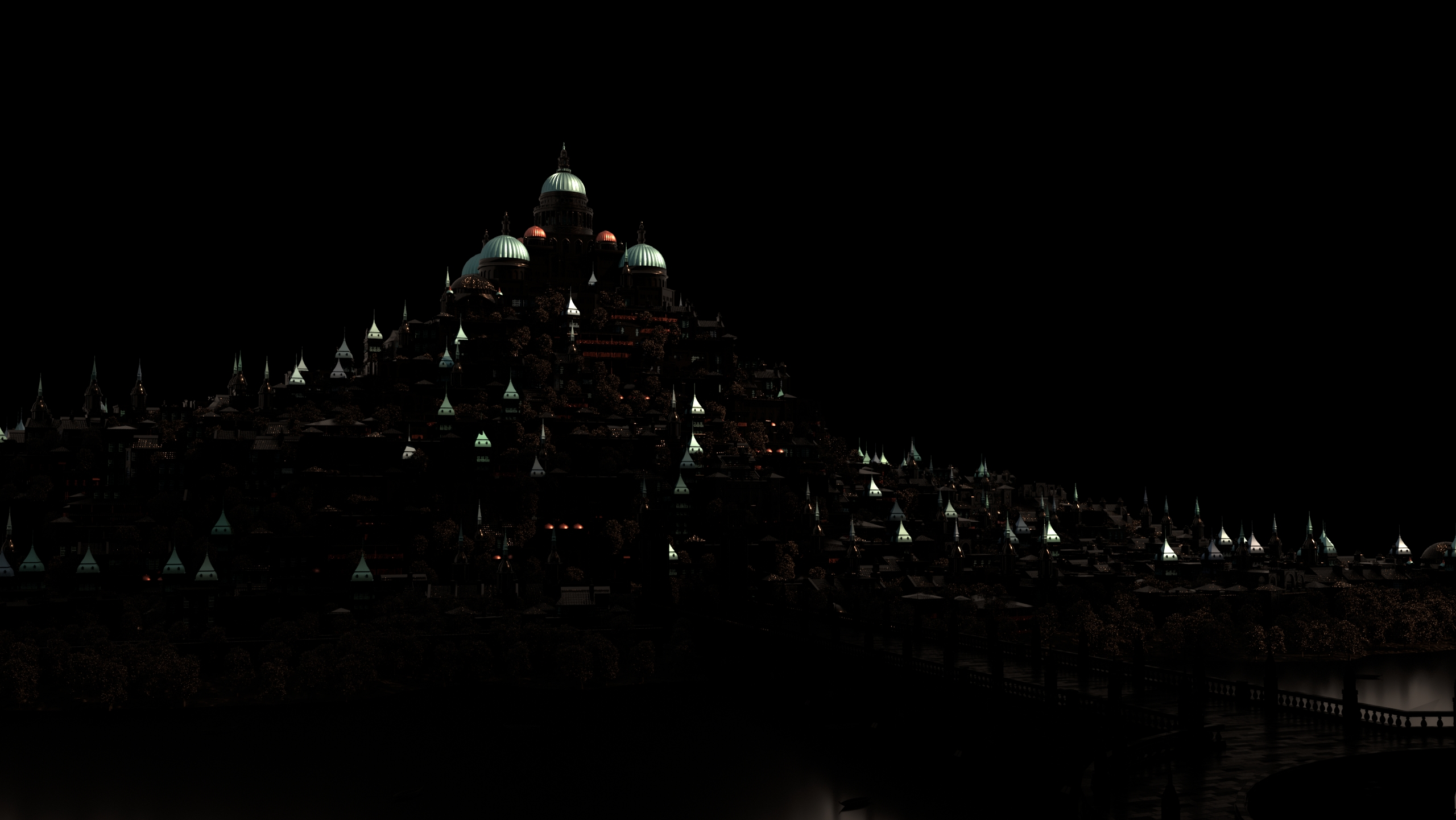
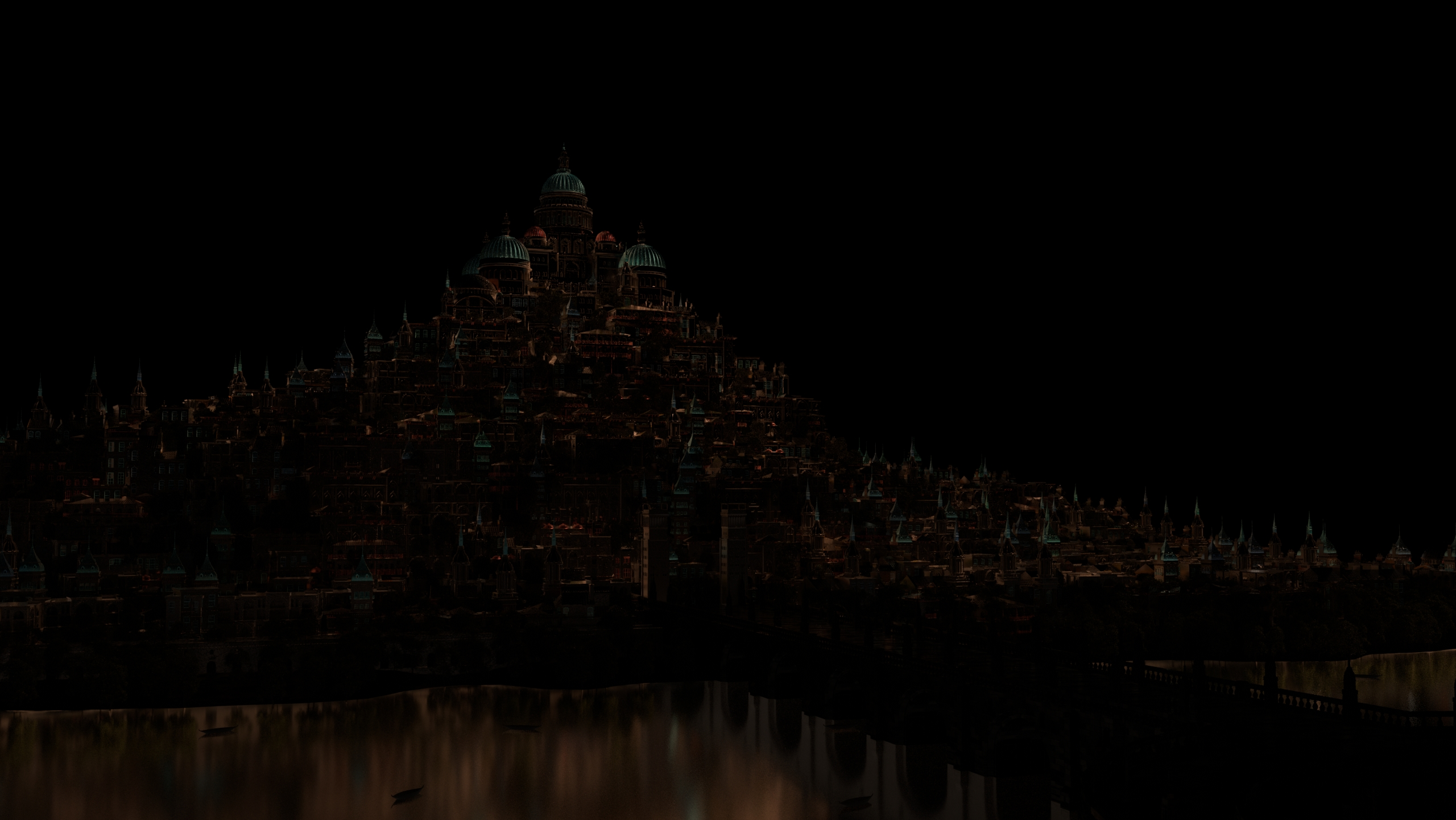
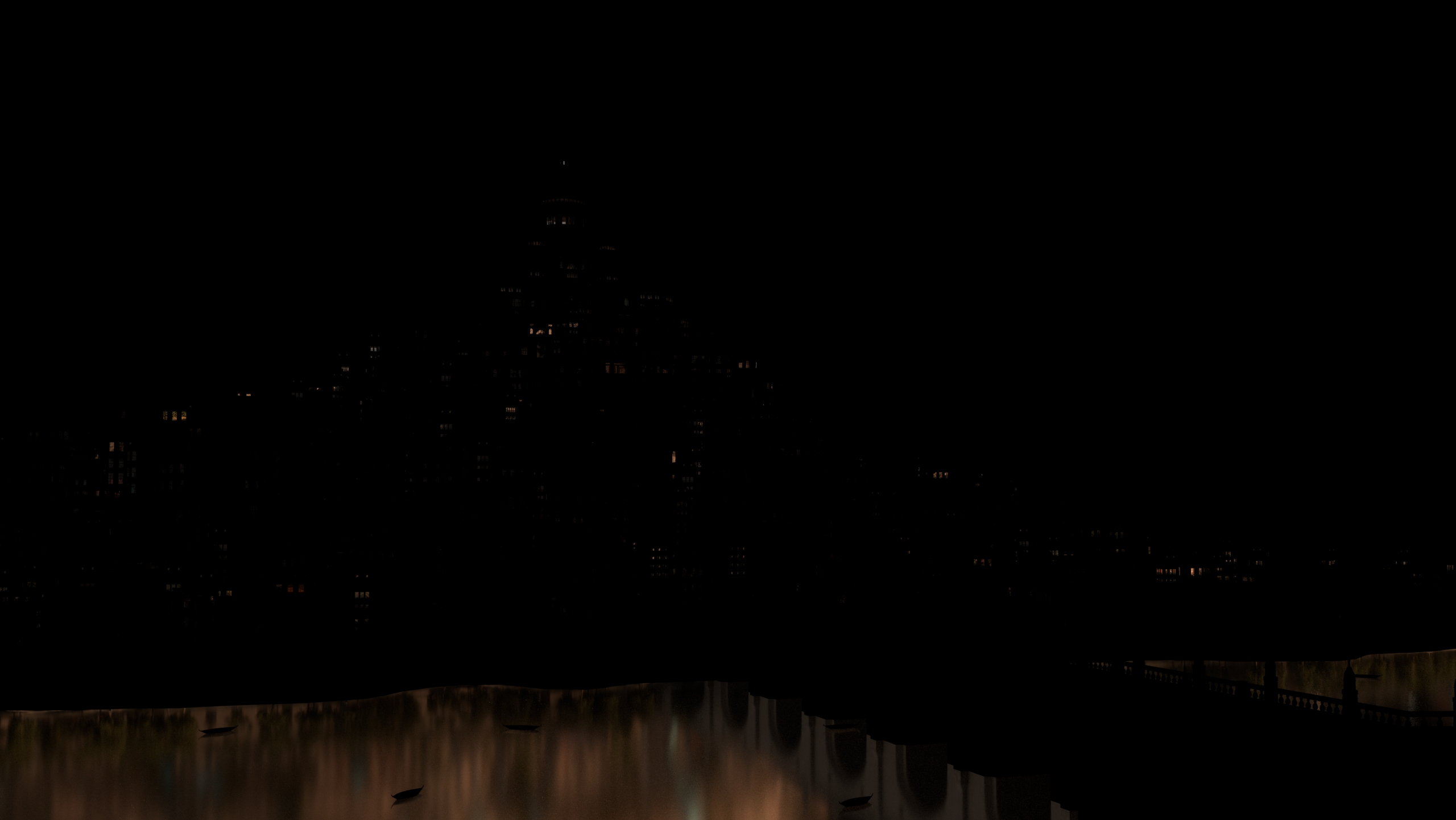
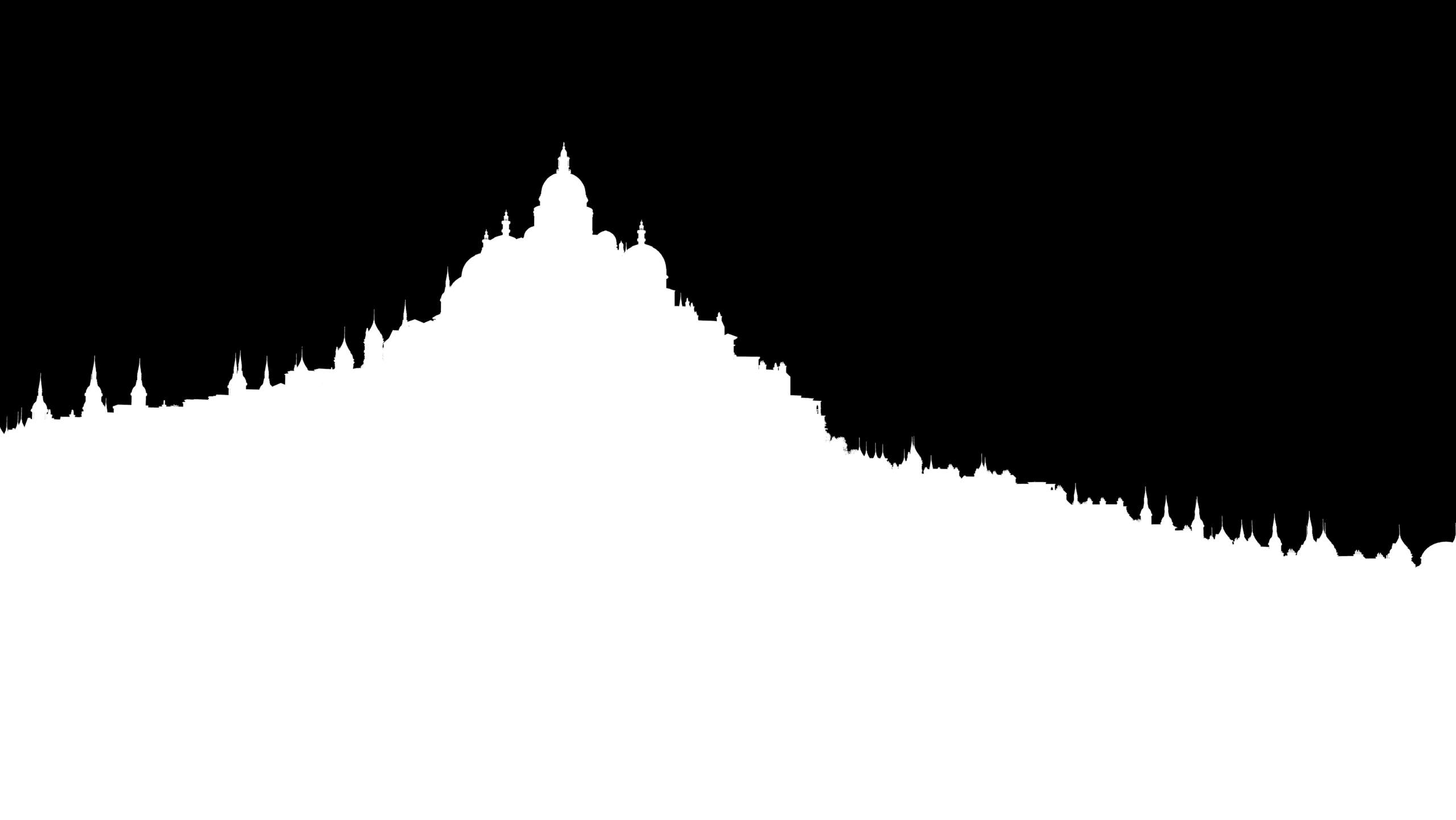
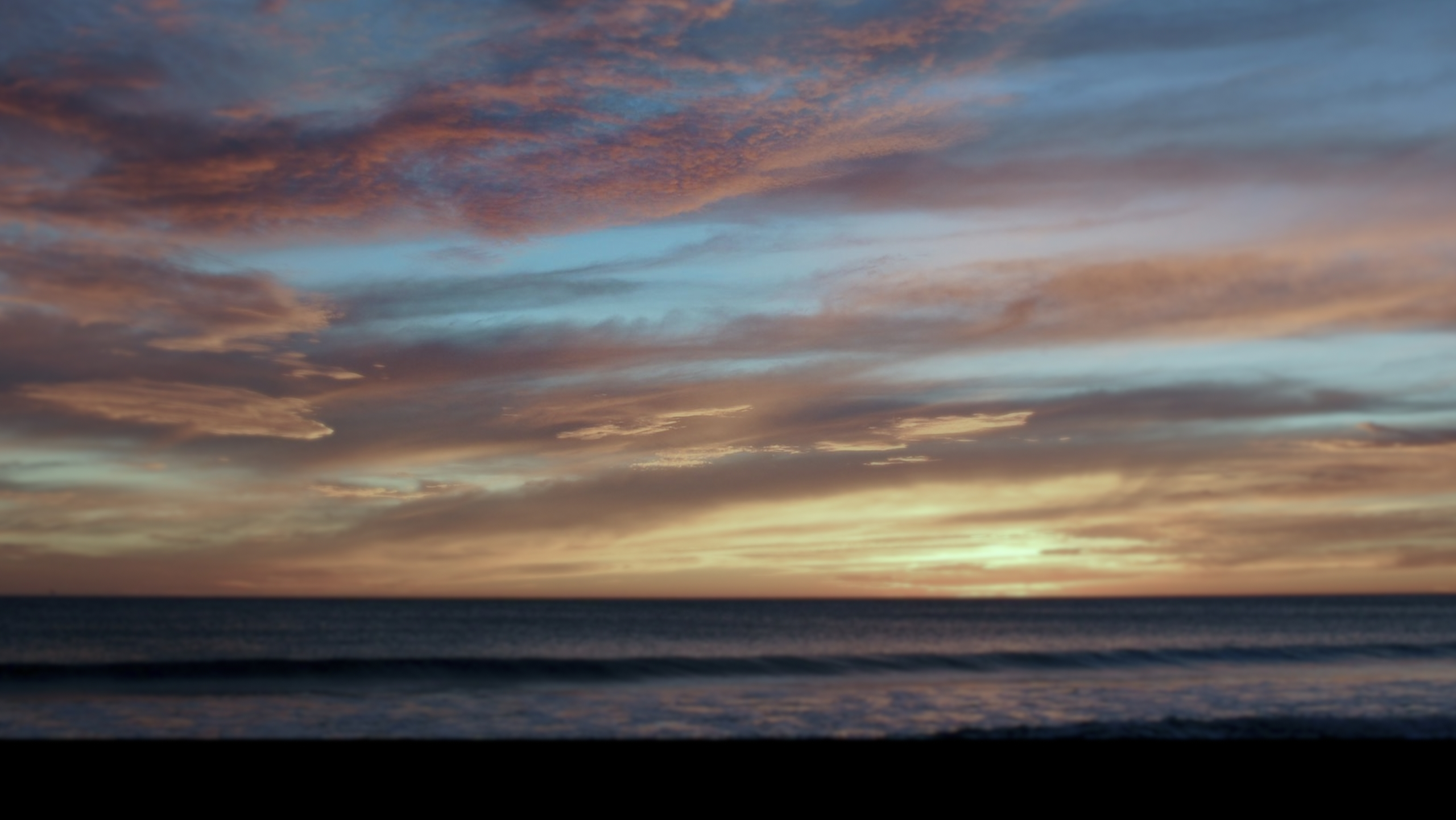
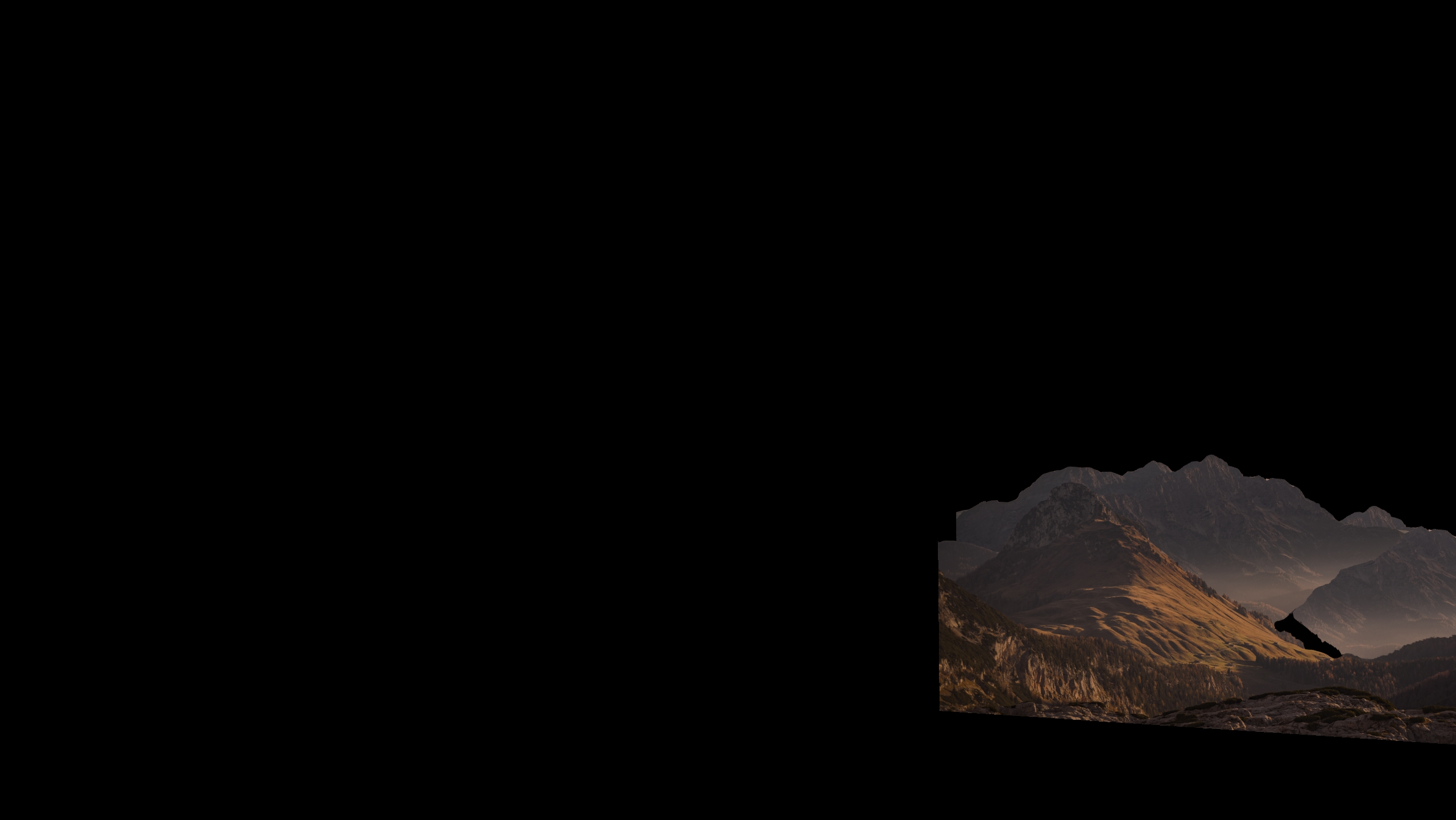
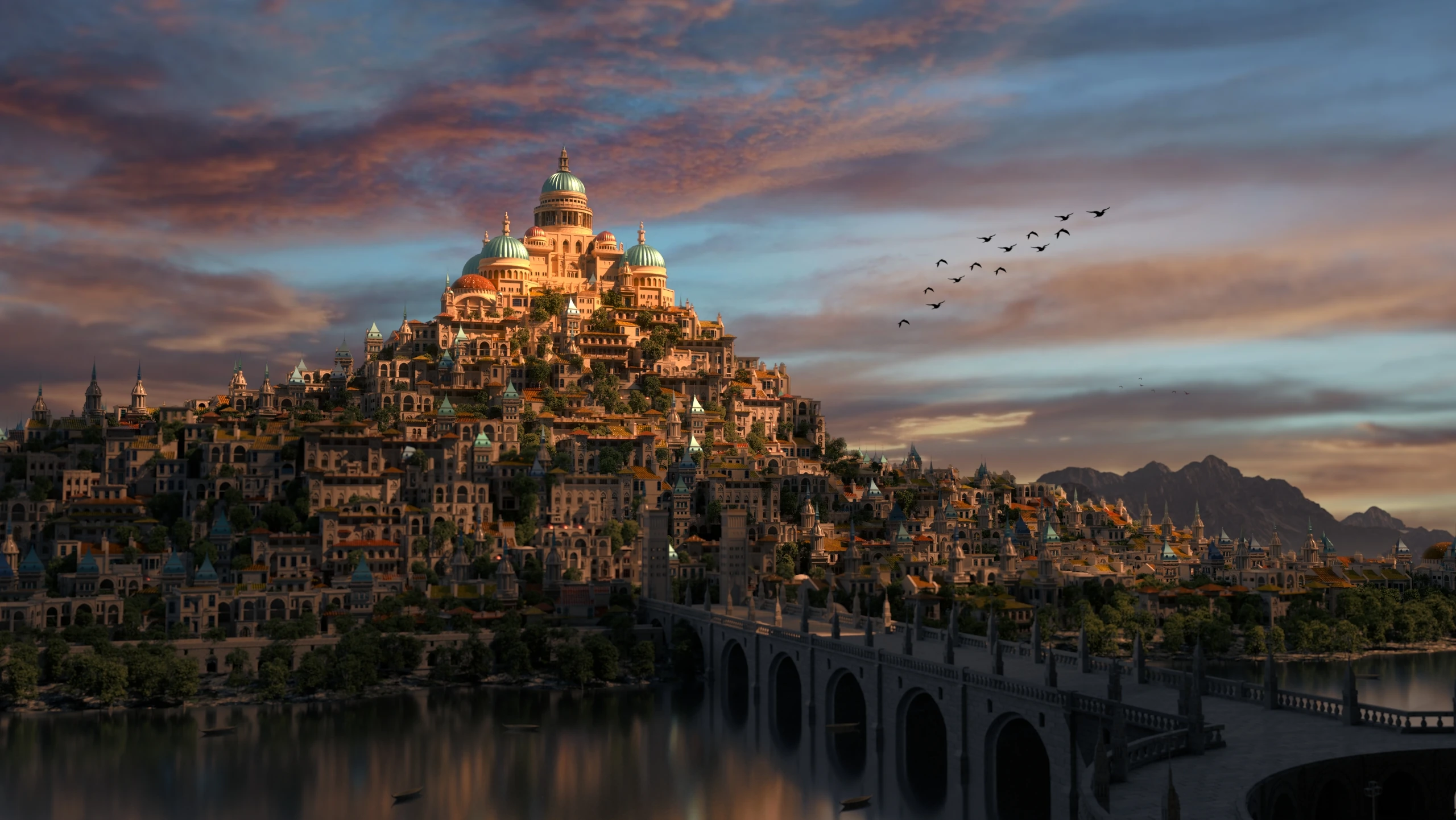
The harbor city render is separated into lighting, reflection, ambient occlusion, background, and masking passes. These layers allow the scene to be balanced in compositing, refining depth, contrast, and atmosphere in the final image.