2025
Song of the Phoenix in Pingdu
Cultural Exchange between China and Mexico
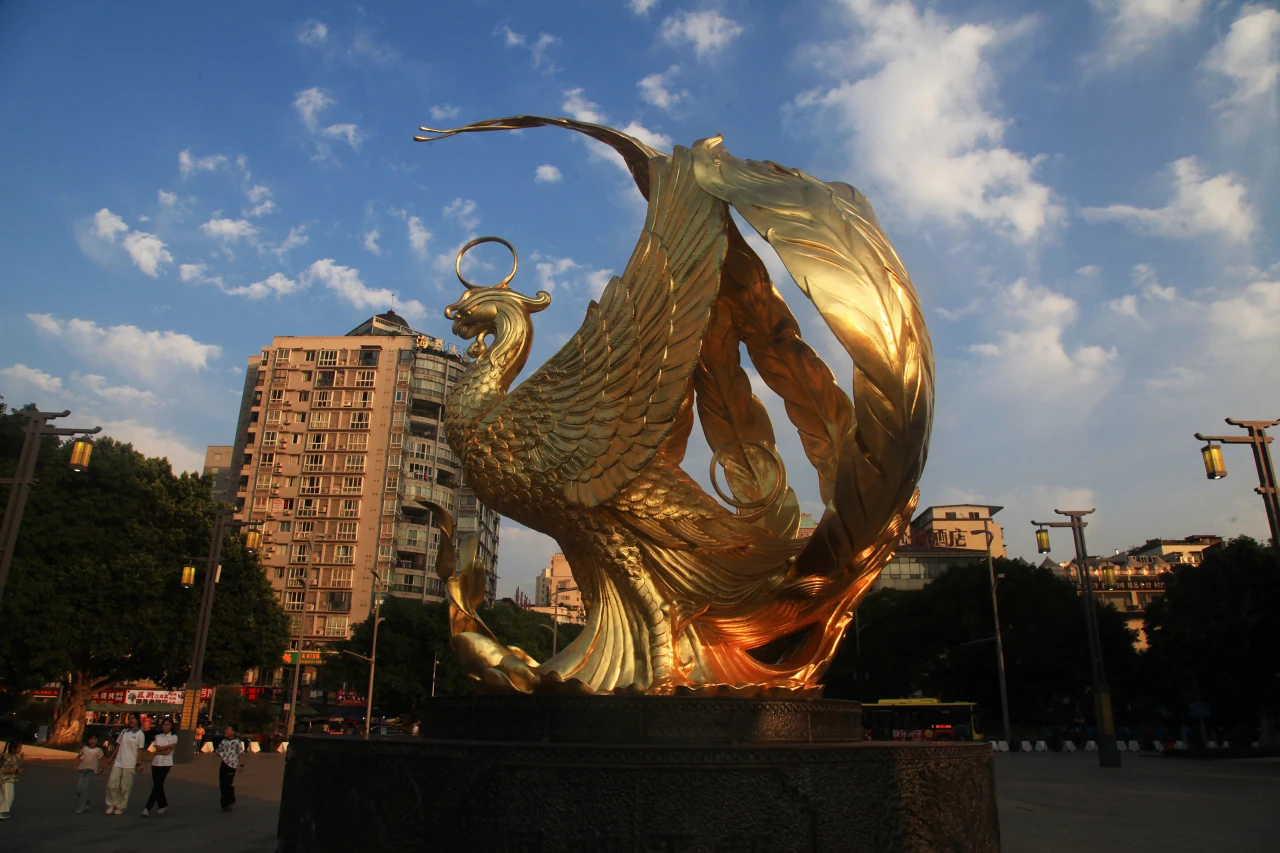
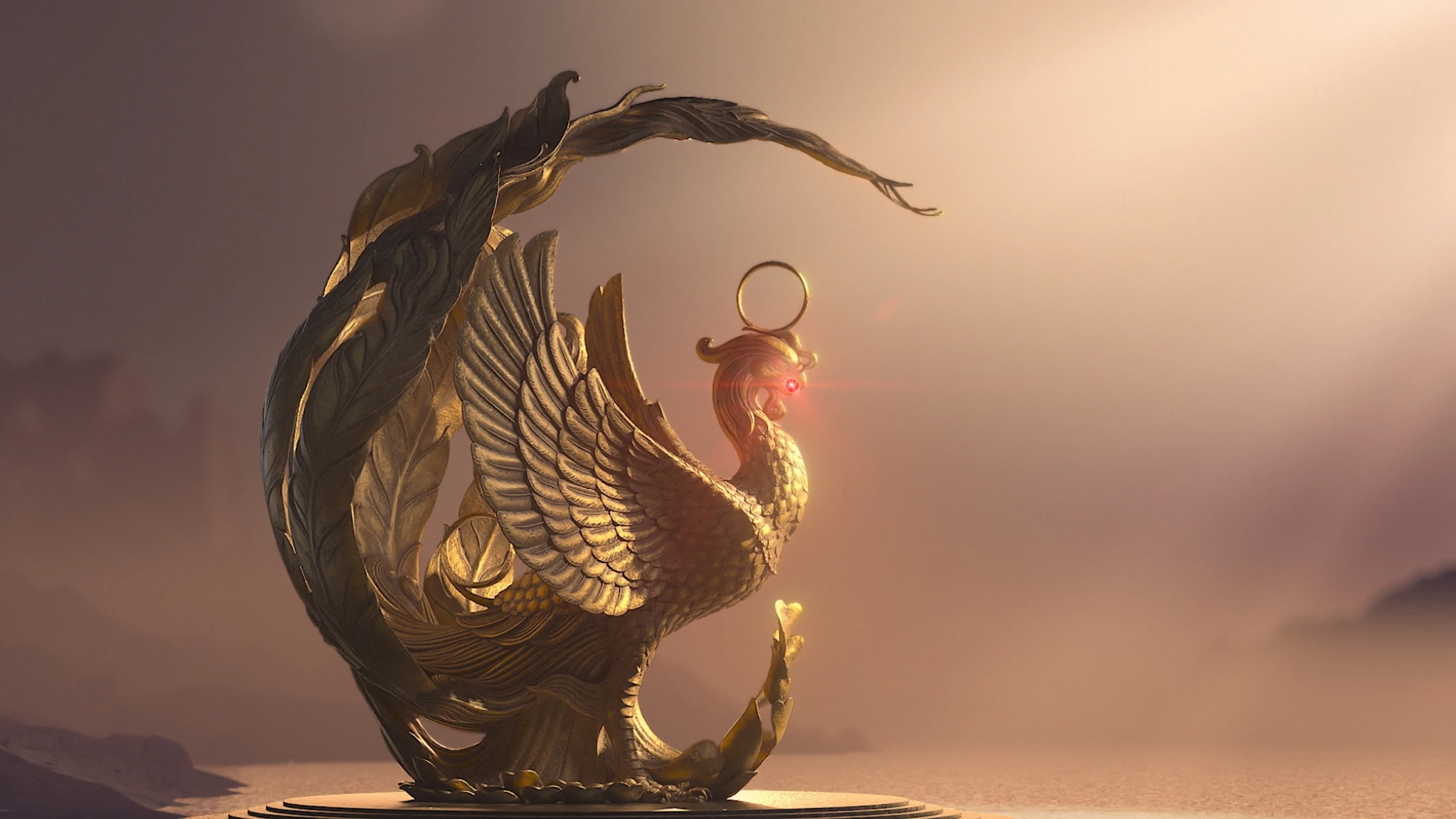
Song of the Phoenix in Pingdu is a short digital narrative built around a public sculpture from Fengdu, Chongqing, China(Pingdu is the historical name for Fengdu). Instead of filming the sculpture in place, the project translates its form into a flowing, particle-based animation that can travel across screens and social media.
Together, the film and the sculpture form the core of a cultural exchange program between China and Mexico, presenting Chinese culture and history to audiences who may never encounter the work in person. By turning a city monument into moving light and particles, the piece offers a contemporary way of sharing Chinese aesthetic philosophy and the local myths it grows from, while also pointing to ongoing efforts to preserve and carry forward regional cultural memory.
Origin: From the Bayu Divine Bird
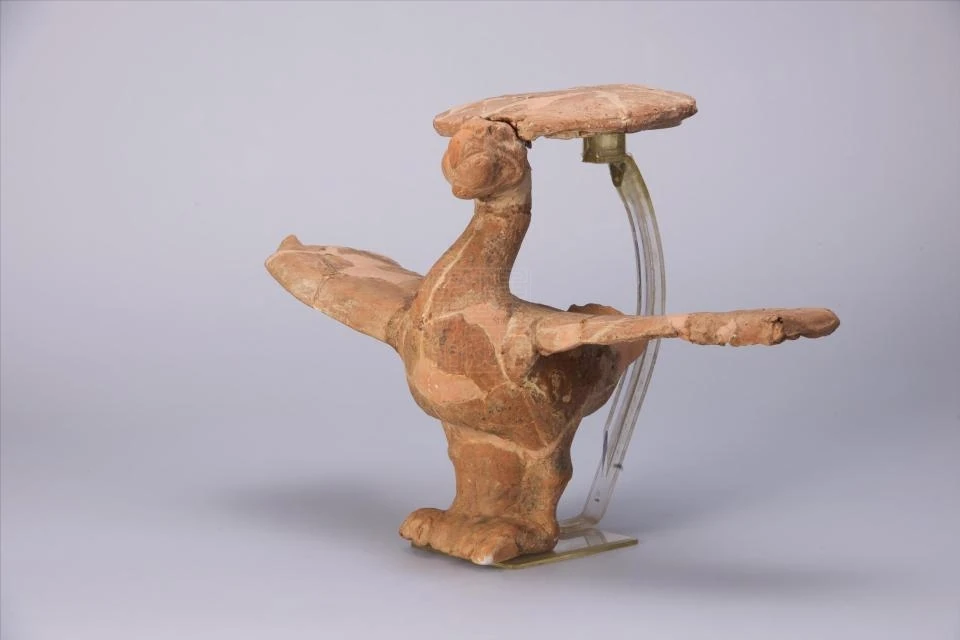
The project began with a single artifact: the Bayu Divine Bird. Rather than treating it as something to replicate, it served as an interpretive starting point—an emblem of protection, migration, renewal, and blessing that could be re-framed for a contemporary city context.
From there, the idea evolved into a public-facing visual narrative: extracting key motifs, translating them into form and movement, and ultimately materializing them as a landmark sculpture, with a CG short film extending the sculpture’s symbolism into time-based storytelling.
From Taiji Diagram to Motion Guide
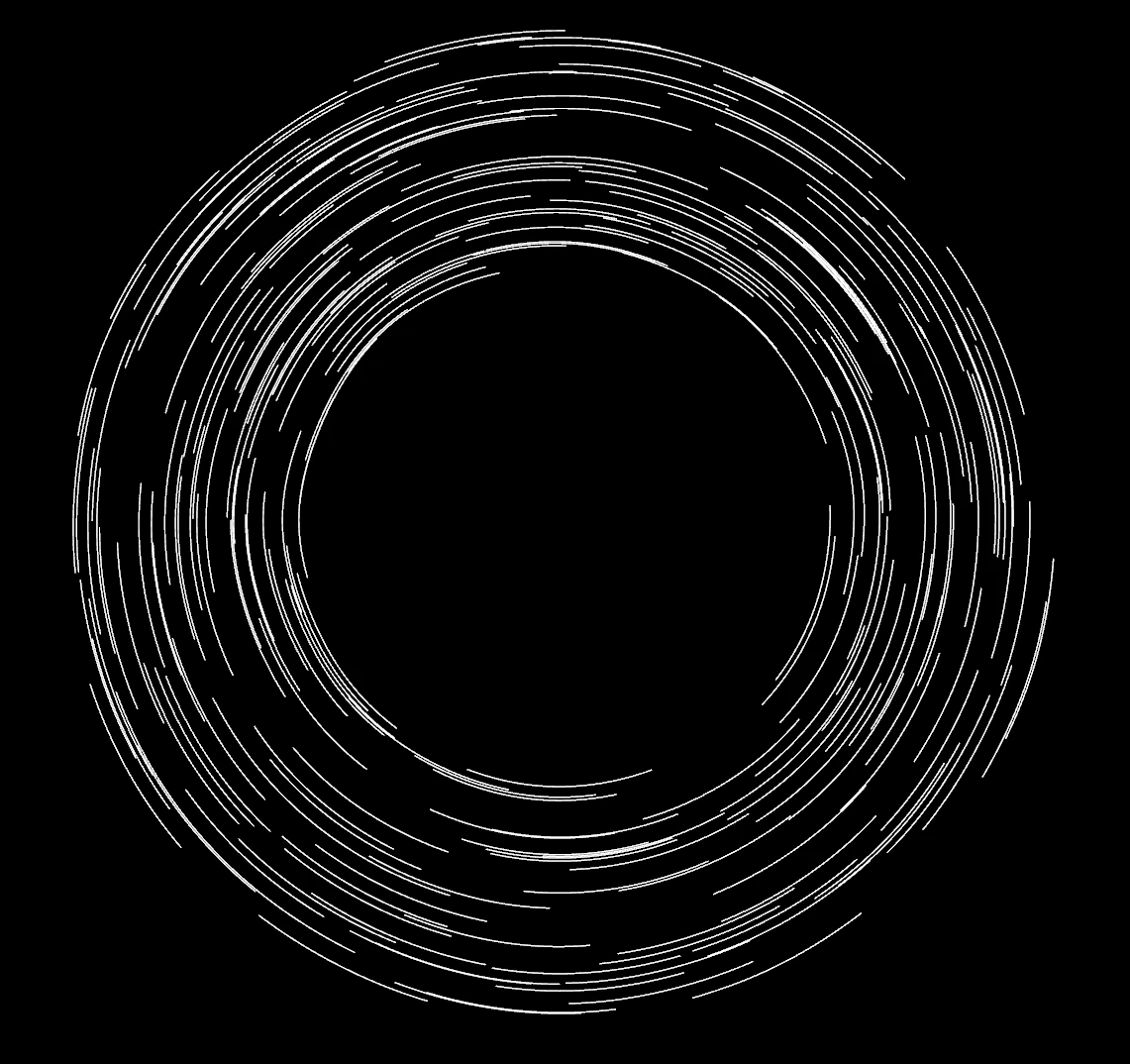
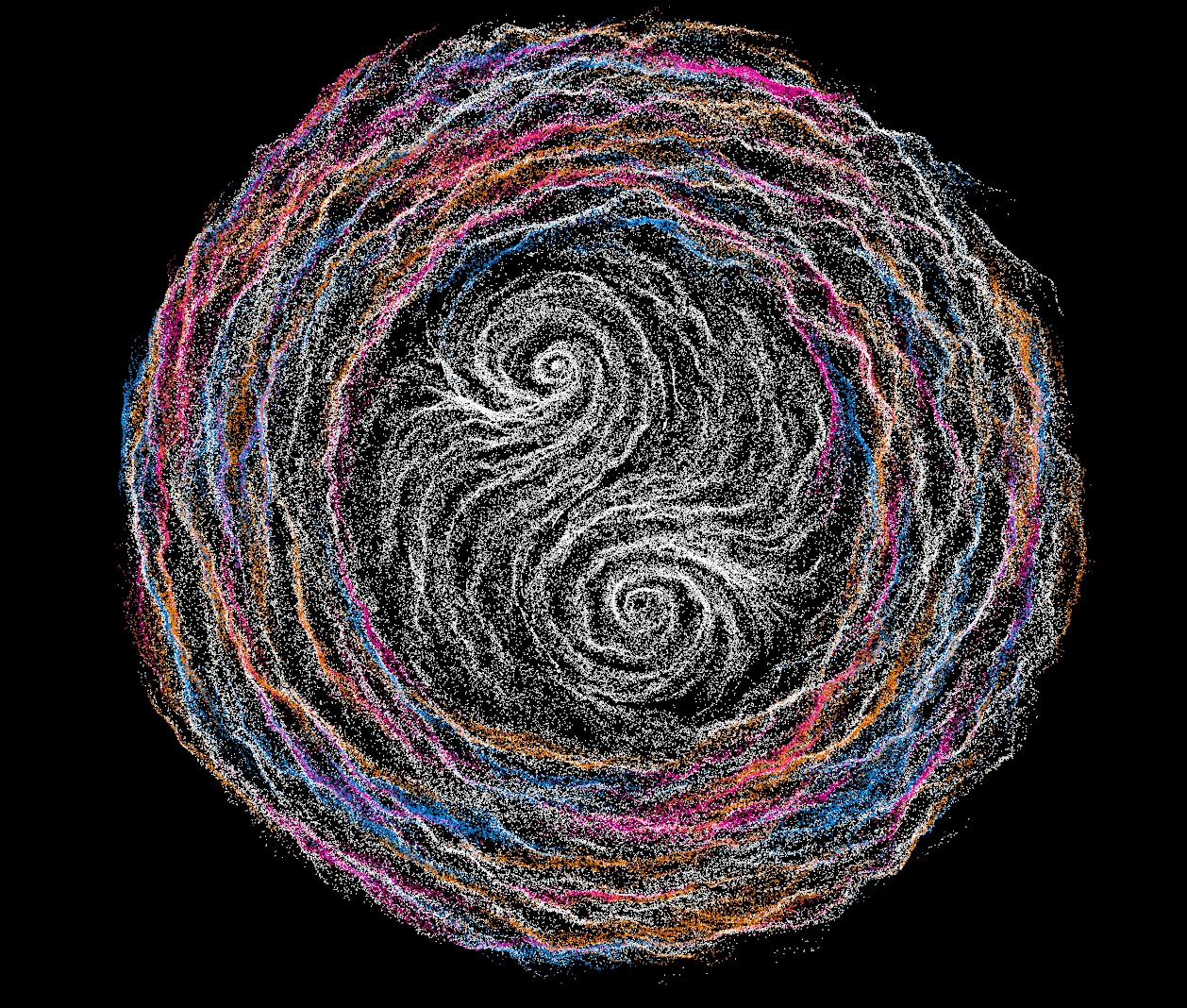
At the same time, the design turns to the Taiji diagram as a structuring device. Rather than treating Taiji as a flat symbol, the project draws on its underlying cosmology: opposing forces flowing into one another, cycles of energy, and a sense of the universe as a continuous field rather than a fixed scene.

Narrative Structure
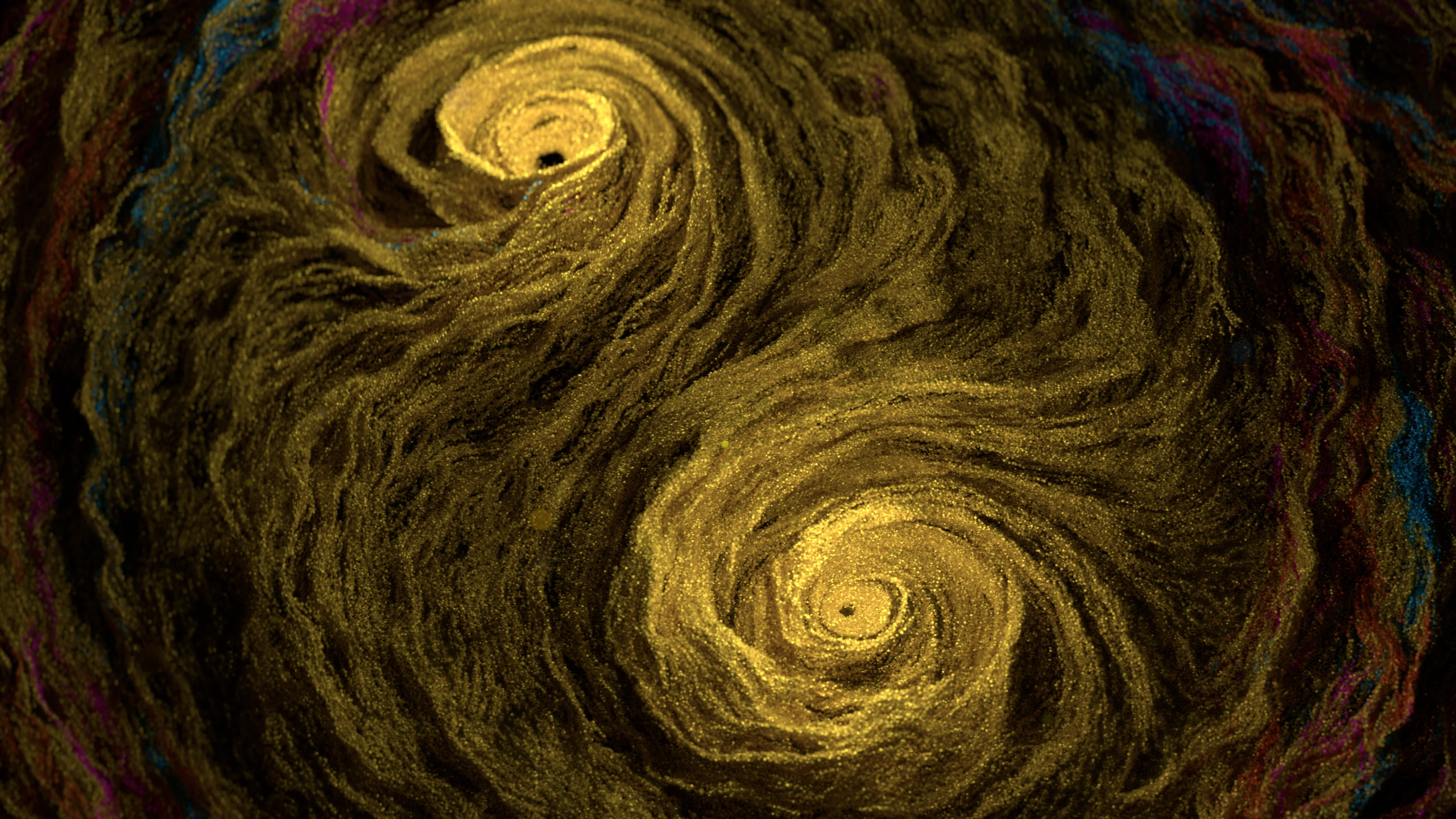
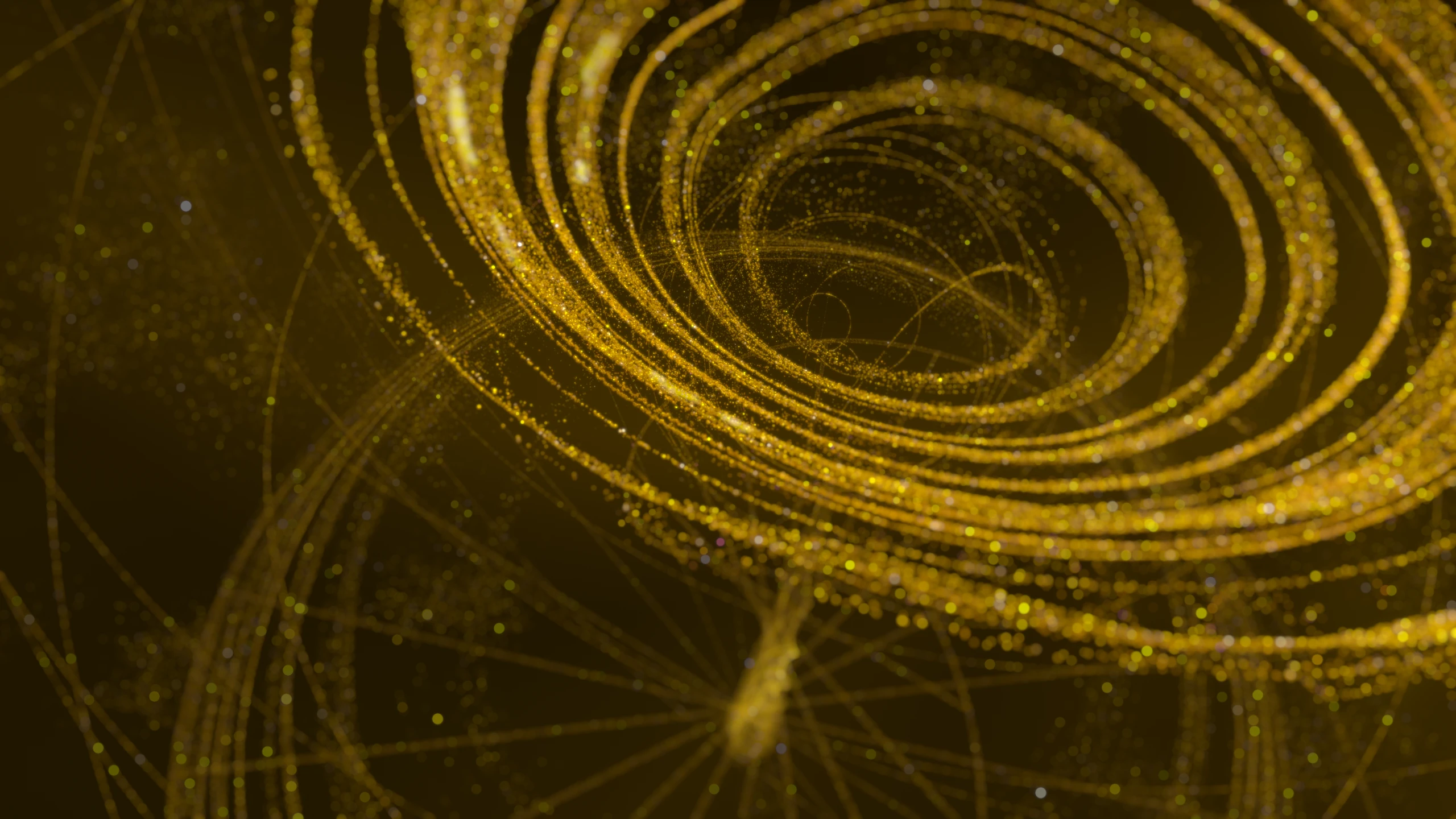
The film follows a clear progression in scale and imagery. It opens with the universe—wide, slow-moving visuals that set a sense of time, space, and creation. From there, it moves closer into the structure of DNA, using the idea of a “code” and repeated patterns to connect cosmic motion to the logic of life. Finally, it lands on the phoenix.
The phoenix becomes the point where these ideas turn into a recognizable symbol: a visual bridge from the universal to the local, and a way to bring the film back to the sculpture and the city story it represents.
Motion
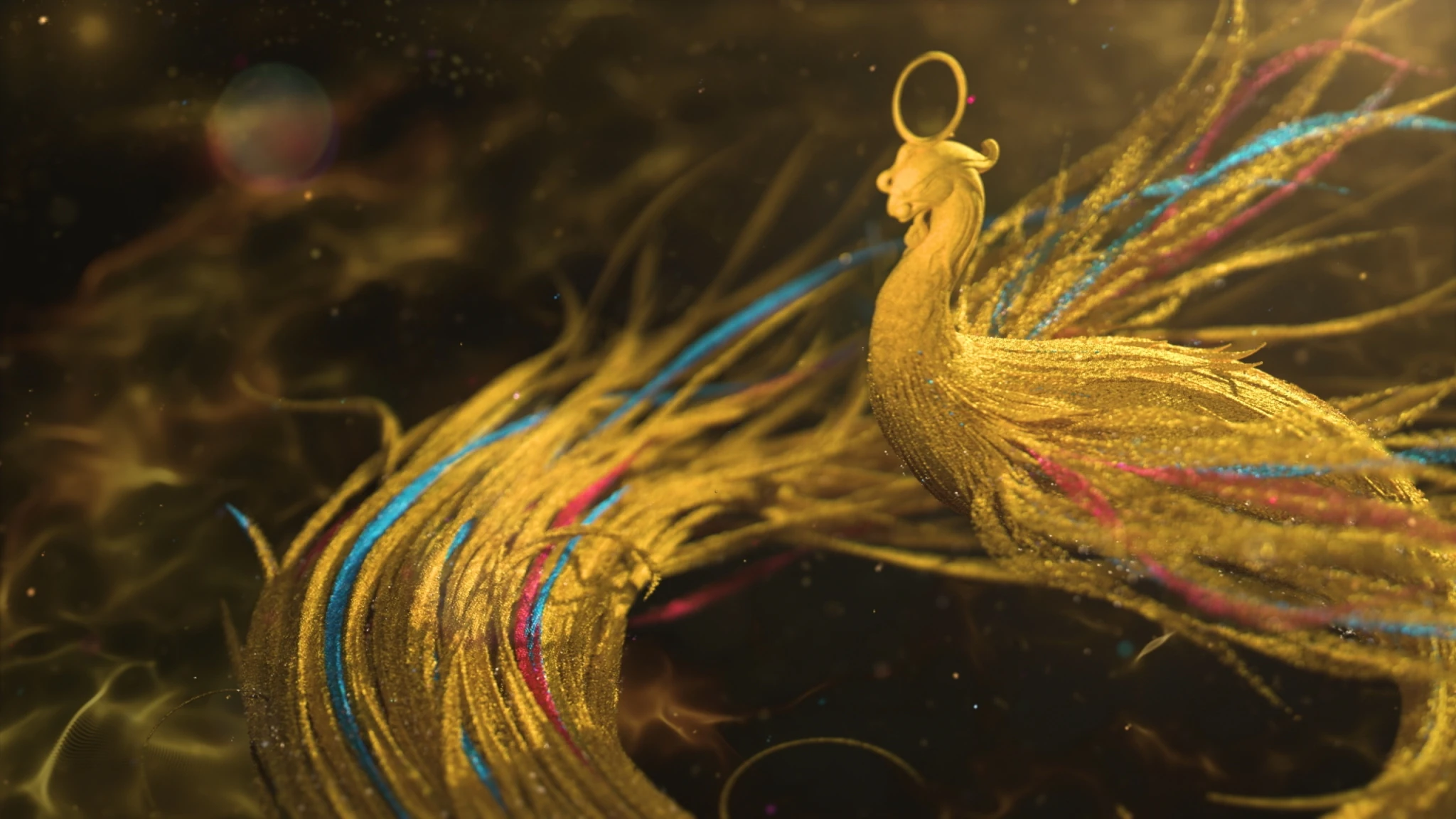
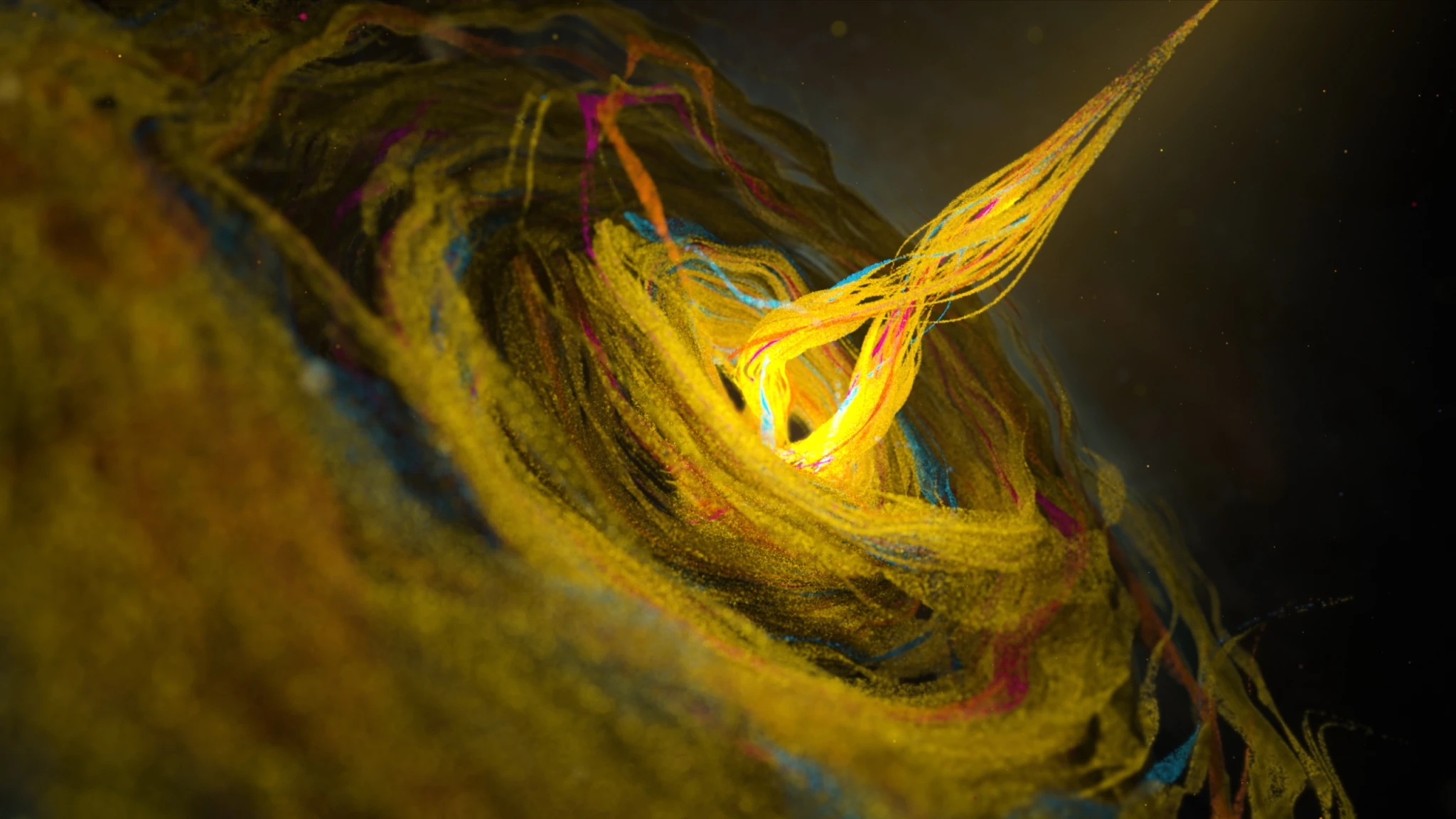
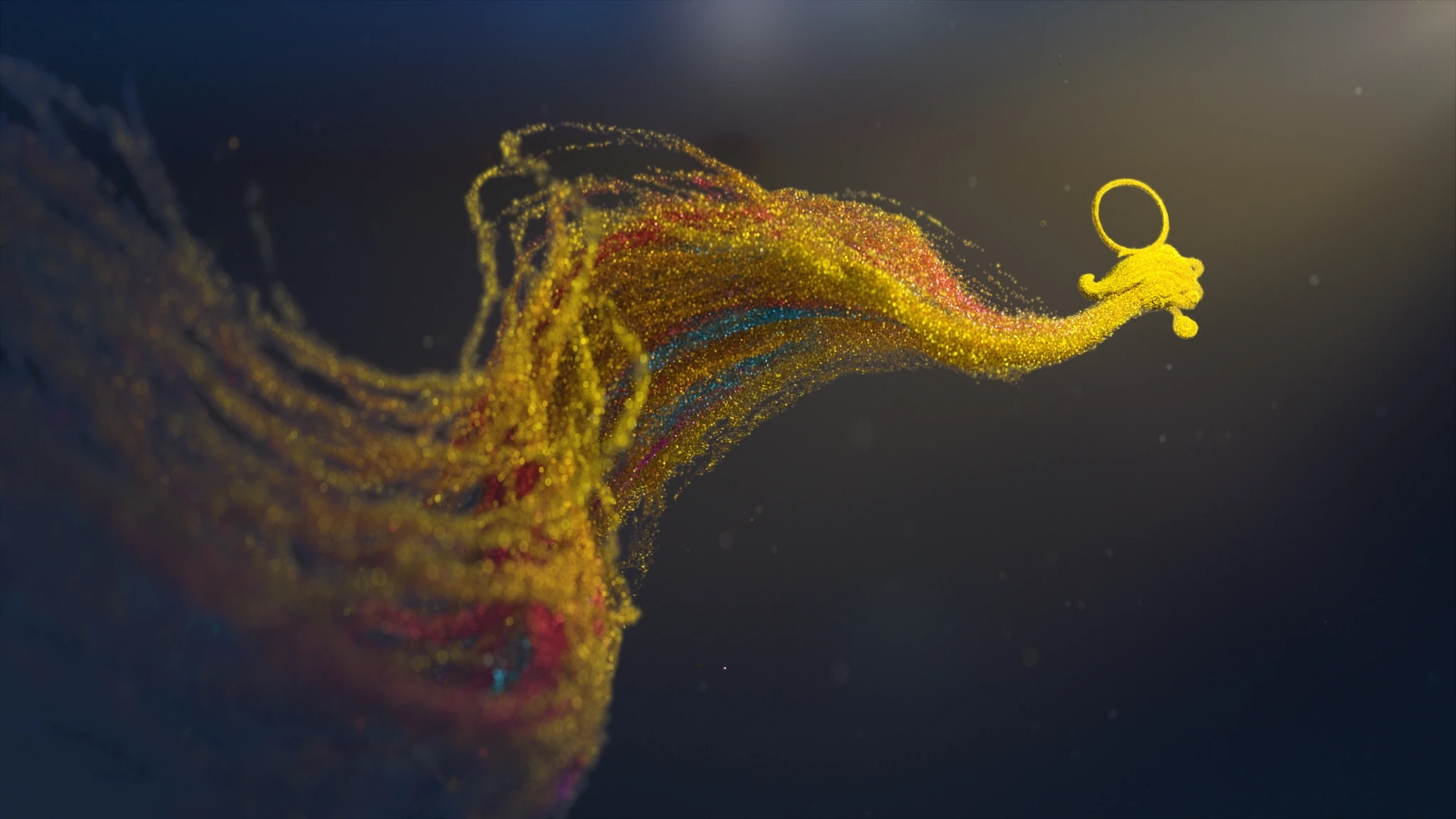
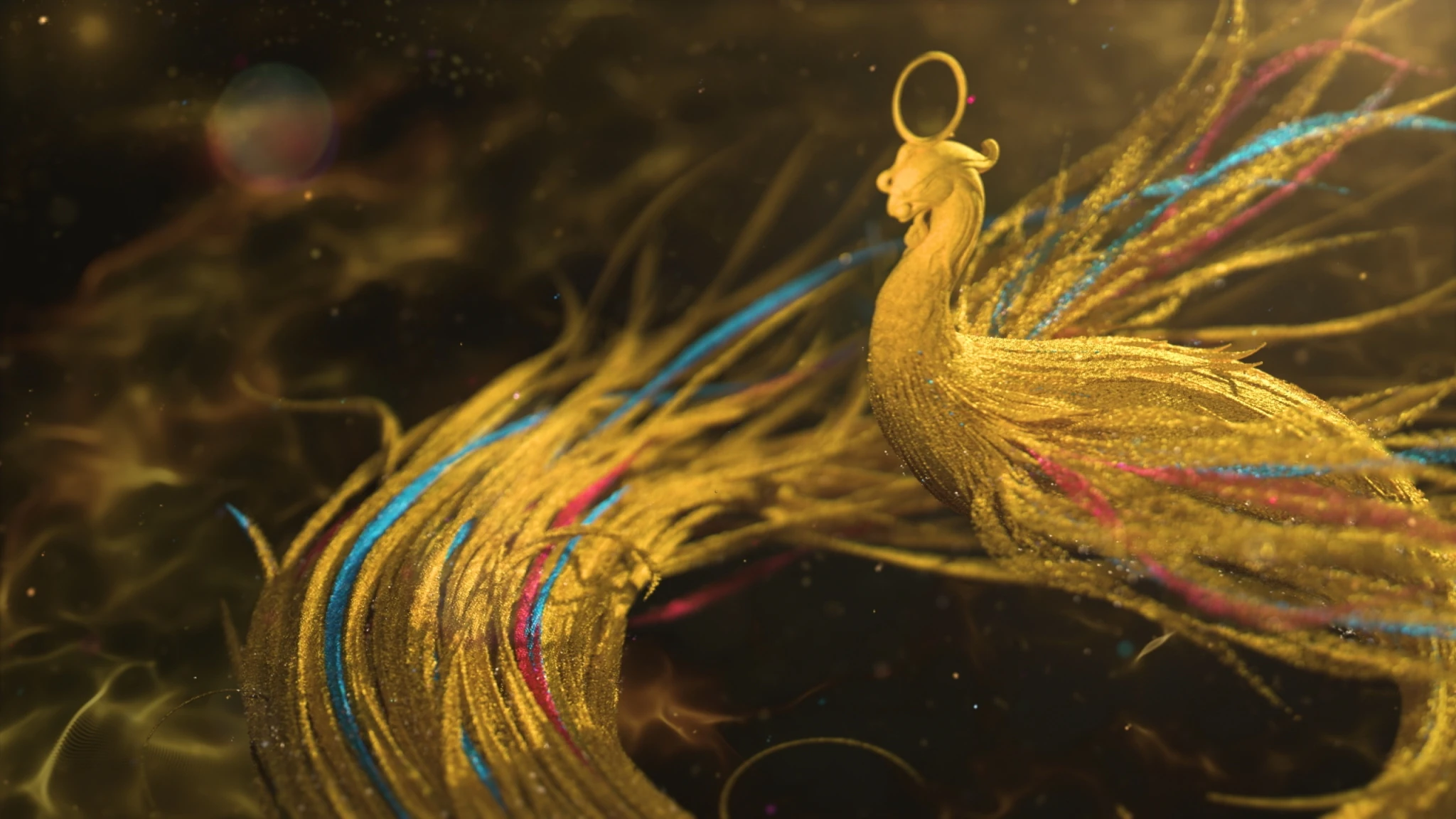
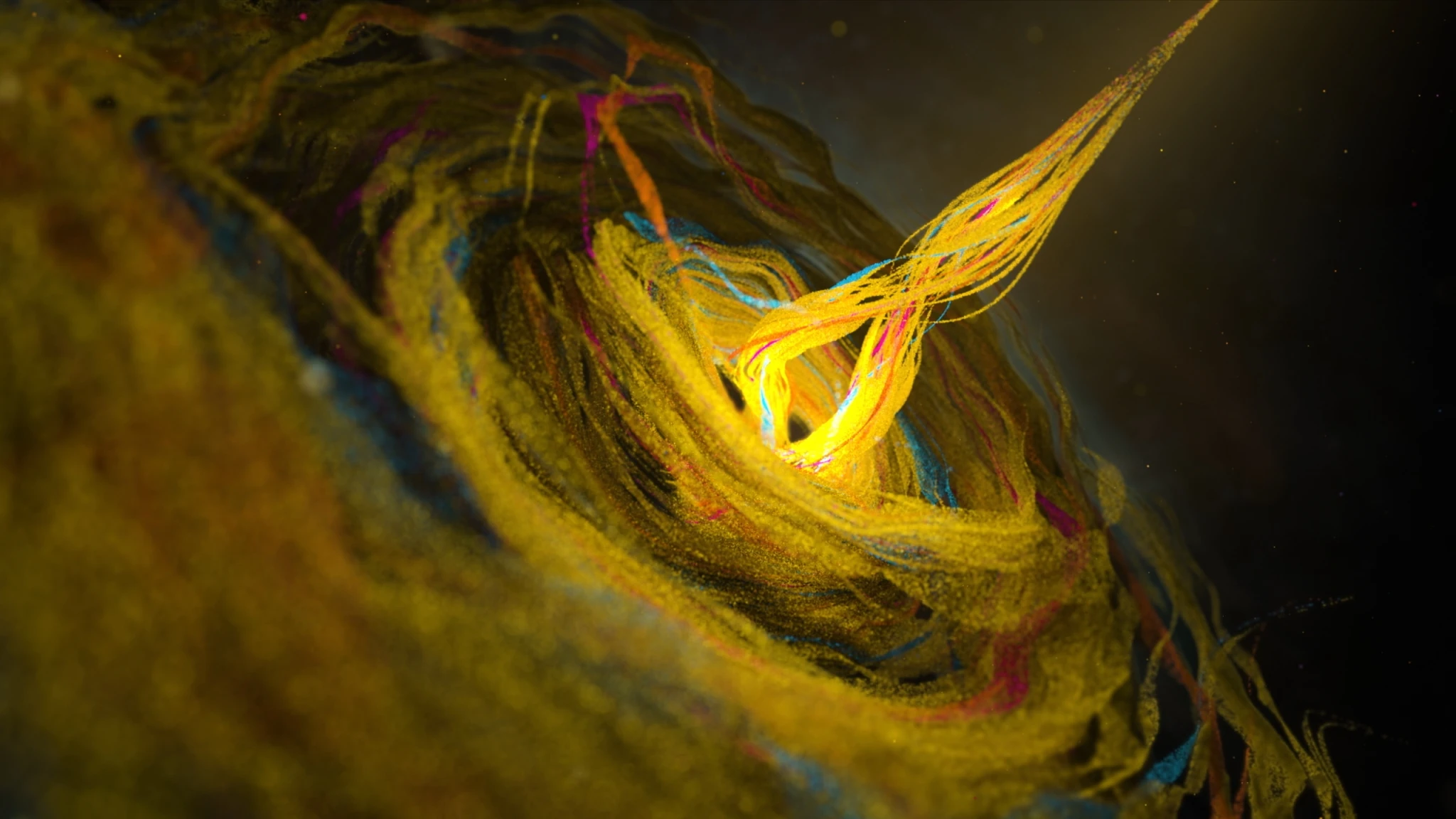
The animation takes these ideas and translates them into motion. The phoenix is never fully modeled as a solid creature; instead, it appears as a shifting band of particles that circle, stretch, and fold back on themselves. For local viewers, the figure can be read as a phoenix rooted in the Báyú tradition; for international audiences, it functions as a luminous, orbiting presence that suggests a larger cosmology without requiring prior knowledge.
Procedural Animation Workflow
Flow Guides
Sketch circular flight paths and directional curves to establish the flow around the sculptural form.
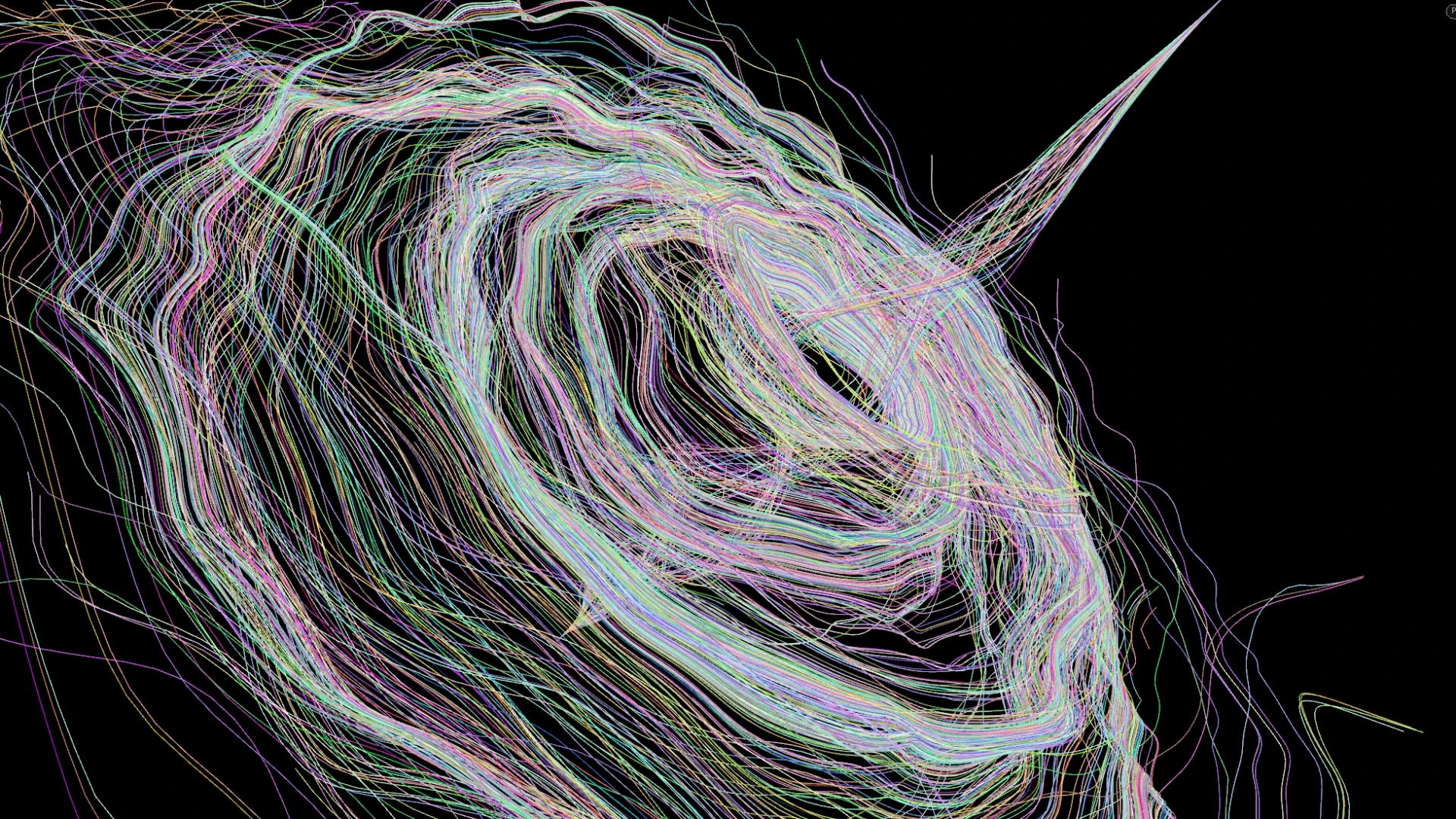
Velocity Field
Develop the guides into a velocity field in Houdini. Use VEX to refine direction, noise, falloff and turbulence across the surface.
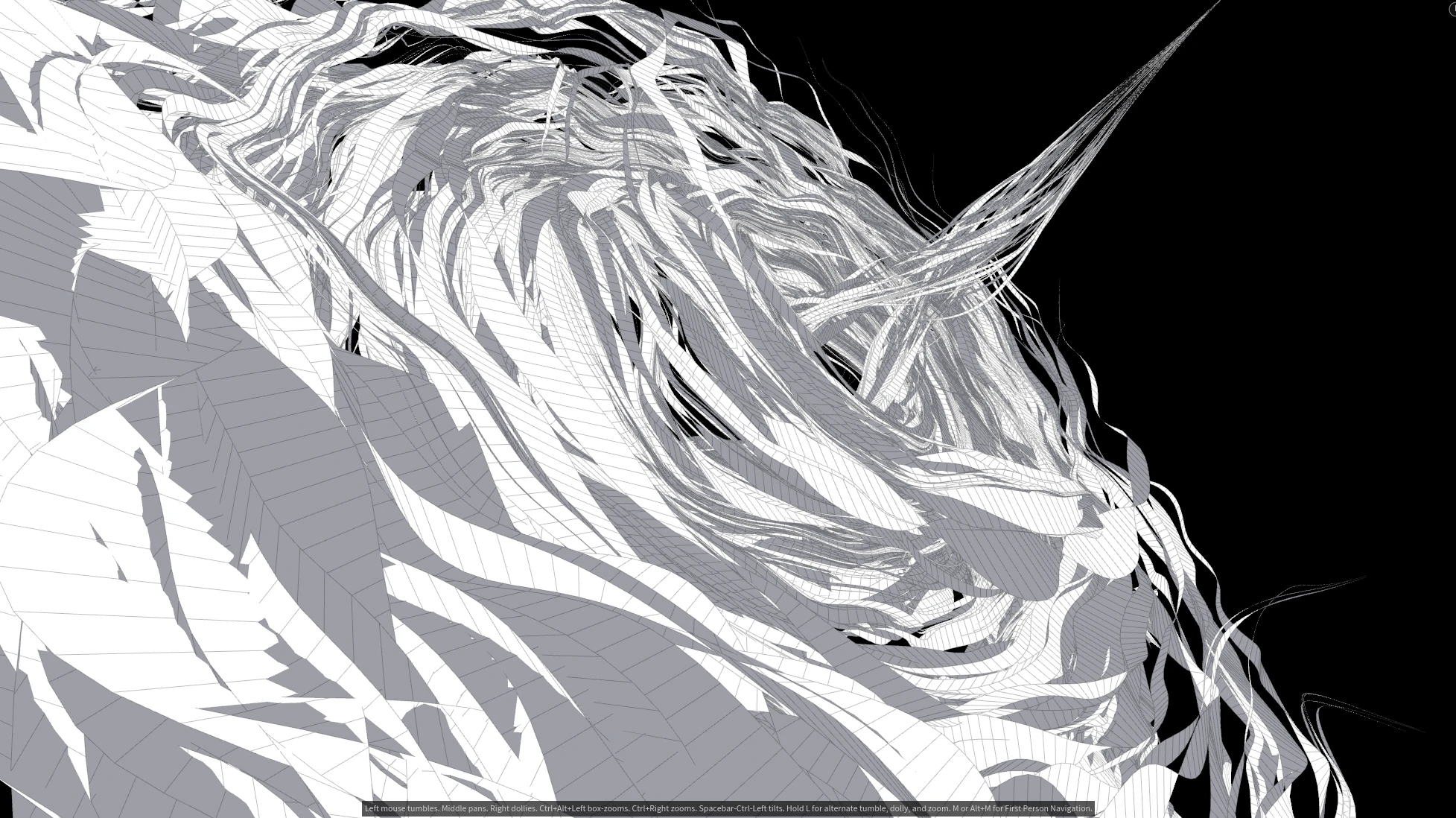
Particle Source
Convert the sculptural form into a signed distance volume, preparing its mass and silhouette as the source for particle generation.
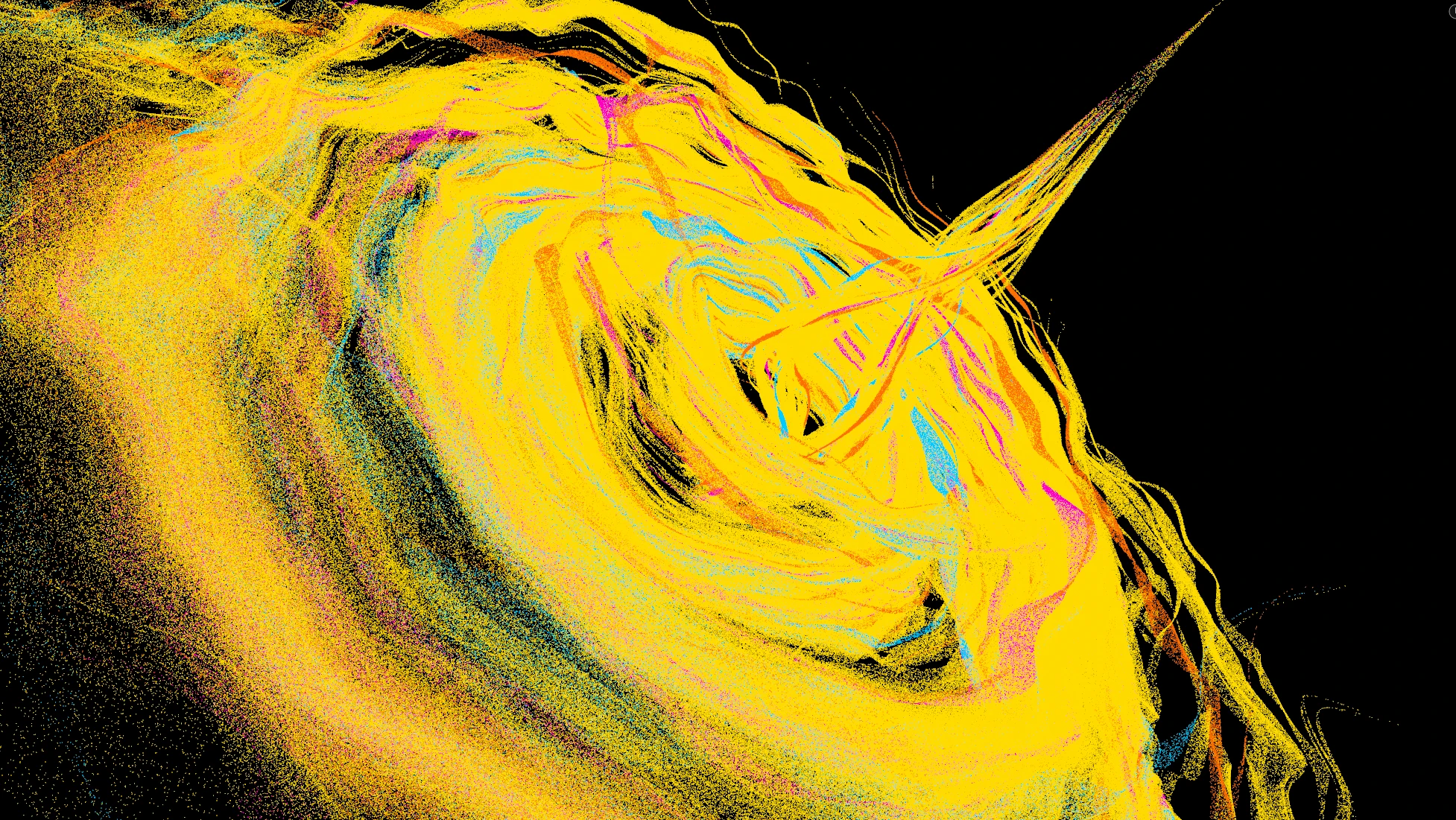
Particle Advection
Advect particle layers with different lifespans and scales through the field, forming the body, trailing feathers and sparks of the final phoenix.
Public Presence
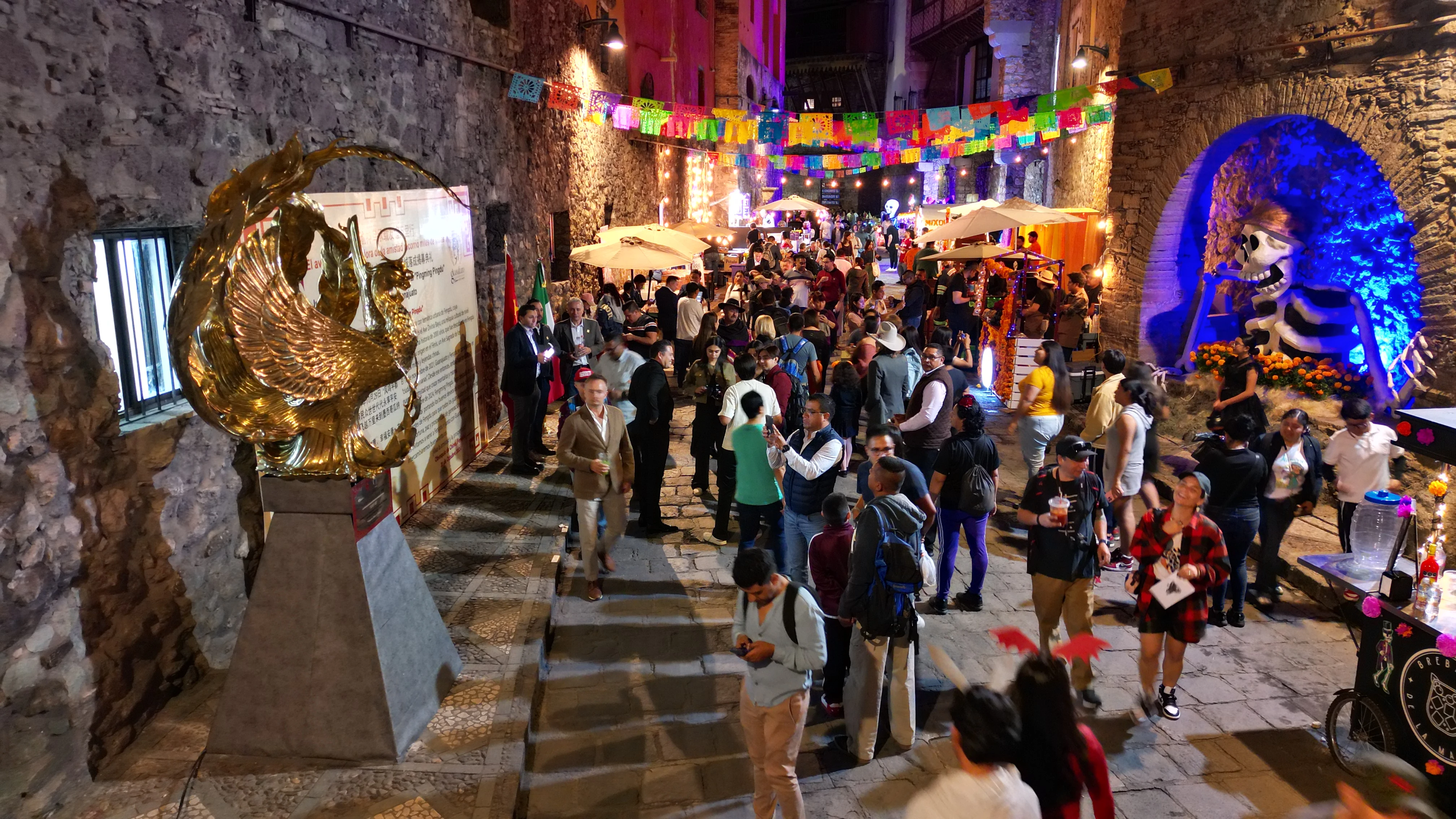
The sculpture has since been installed in Fengdu as a public landmark. A smaller replica was also presented to Mexico as a cultural gift, extending the project’s presence beyond its original site. While this moment is not central to the project’s creative development, it reflects how the work continued to circulate and be encountered in broader civic and cross-cultural contexts.