2021
Chunkey: Interactive Game
First Americans Museum
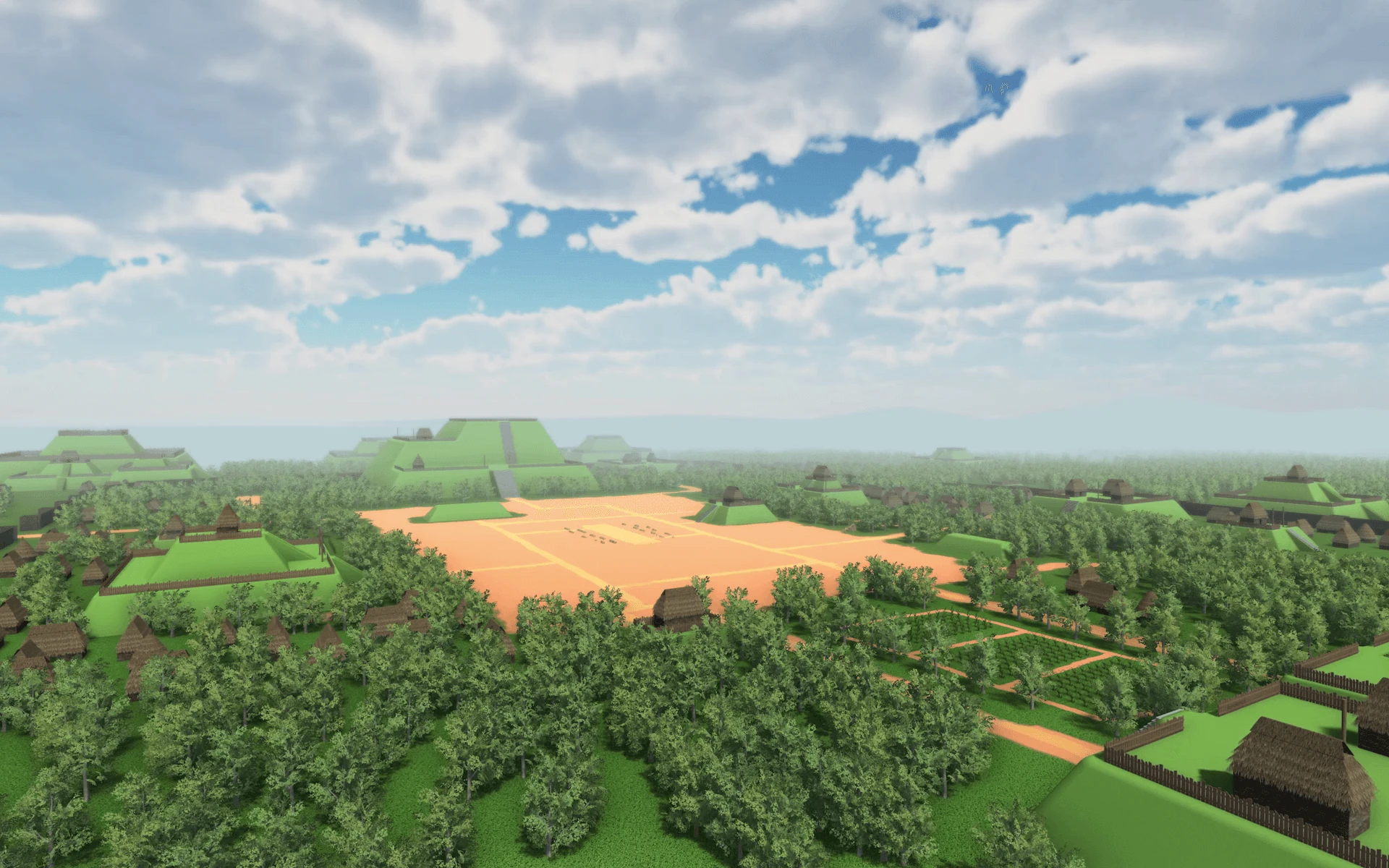
Chunkey is a Gesture-driven museum interactive project that translates a traditional Indigenous field game into a short, replayable gallery experience. The piece emphasizes projection-first clarity and real-time visual storytelling, so visitors can quickly understand motion, timing, and outcomes through readable forms and restrained visual noise.
Cultural & Historical Background
Chunkey is framed within museum interpretation of Indigenous sports and games—practices that encode skill, social life, and community knowledge. The installation introduces historical references briefly, then shifts the focus to embodied understanding through play and observation.
.jpg.webp)
.png.webp)
.webp)
.webp)
.webp)
Visual System & Look Development
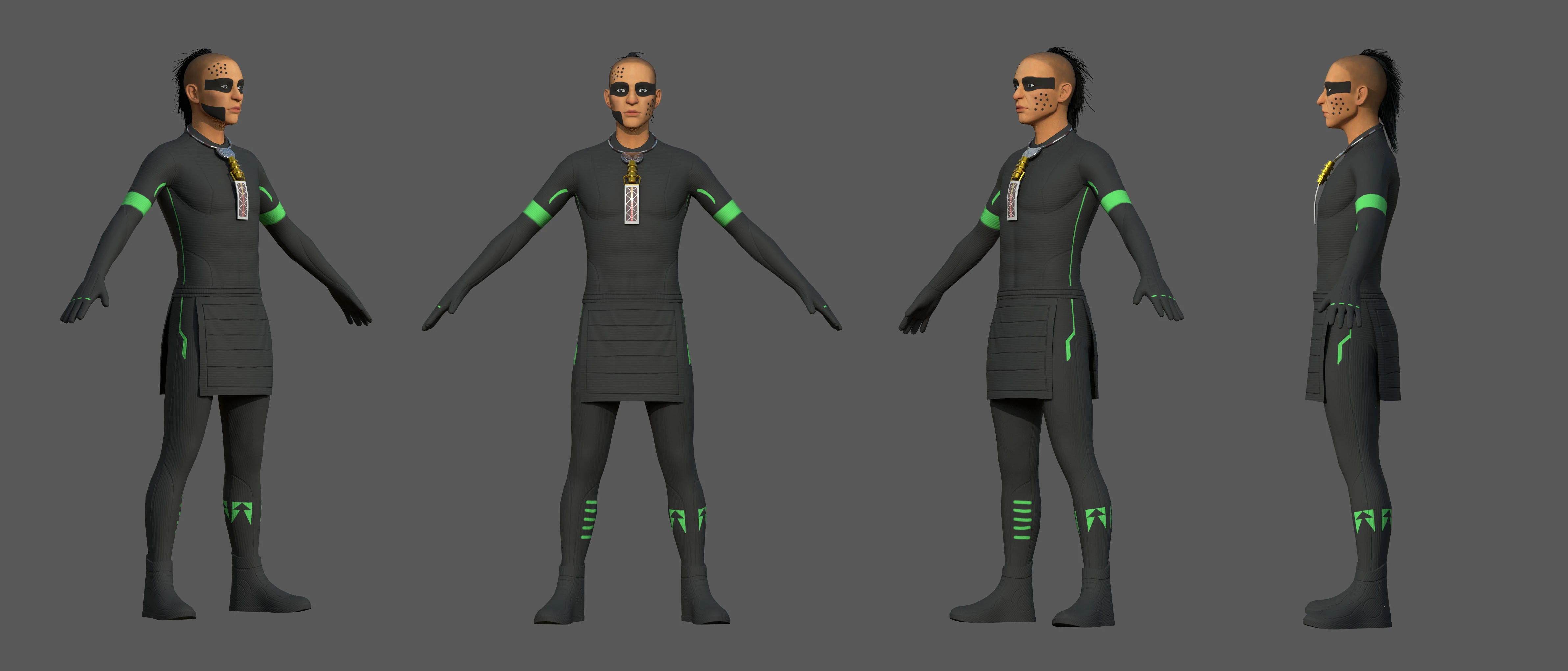
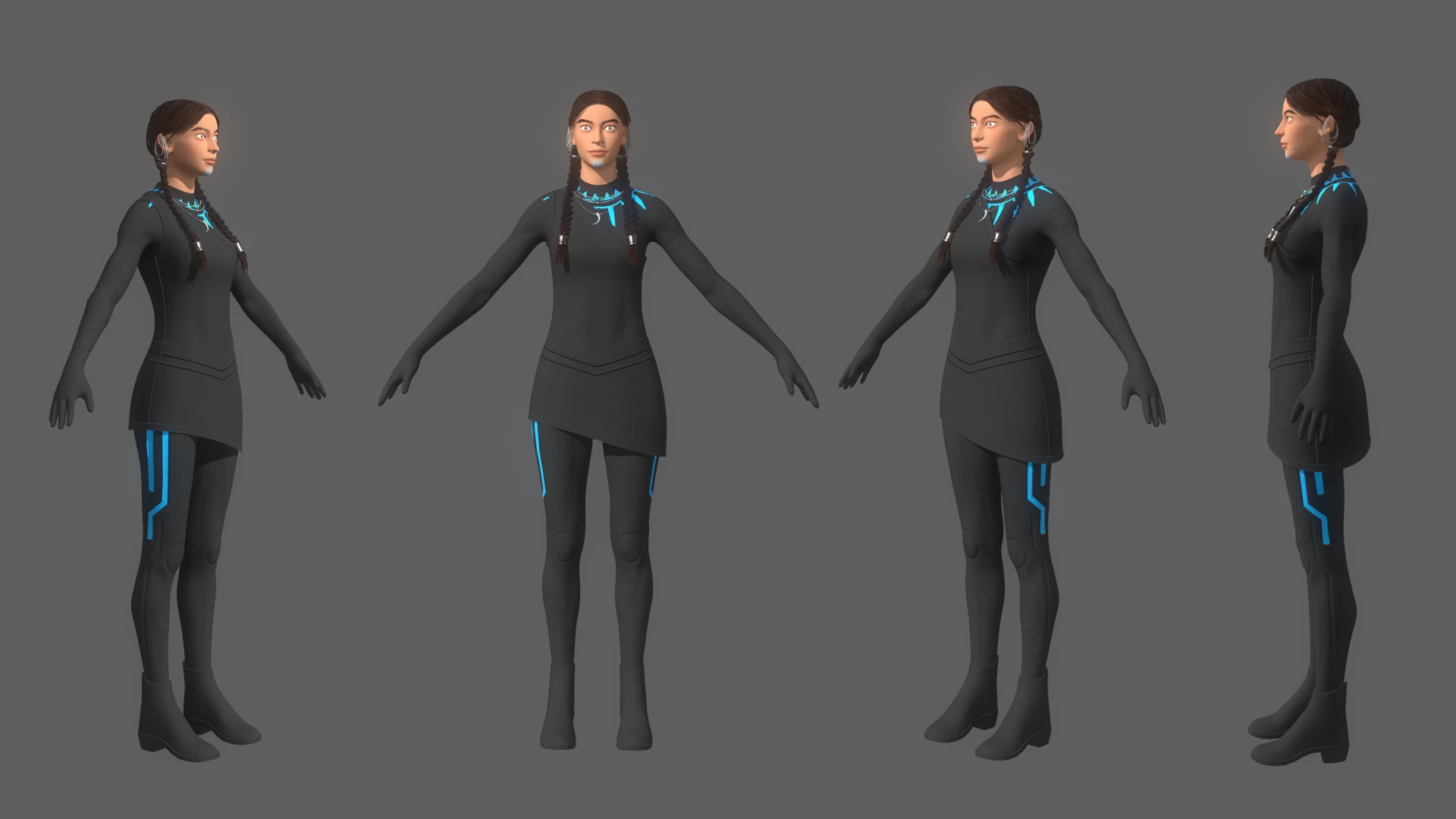
The visual system is built for large-scale projection: clean value separation, controlled contrast, and simplified surface detail so key motion remains legible at a glance. Materials and lighting are calibrated to reduce specular blowout and to preserve consistent readability under different ambient conditions.
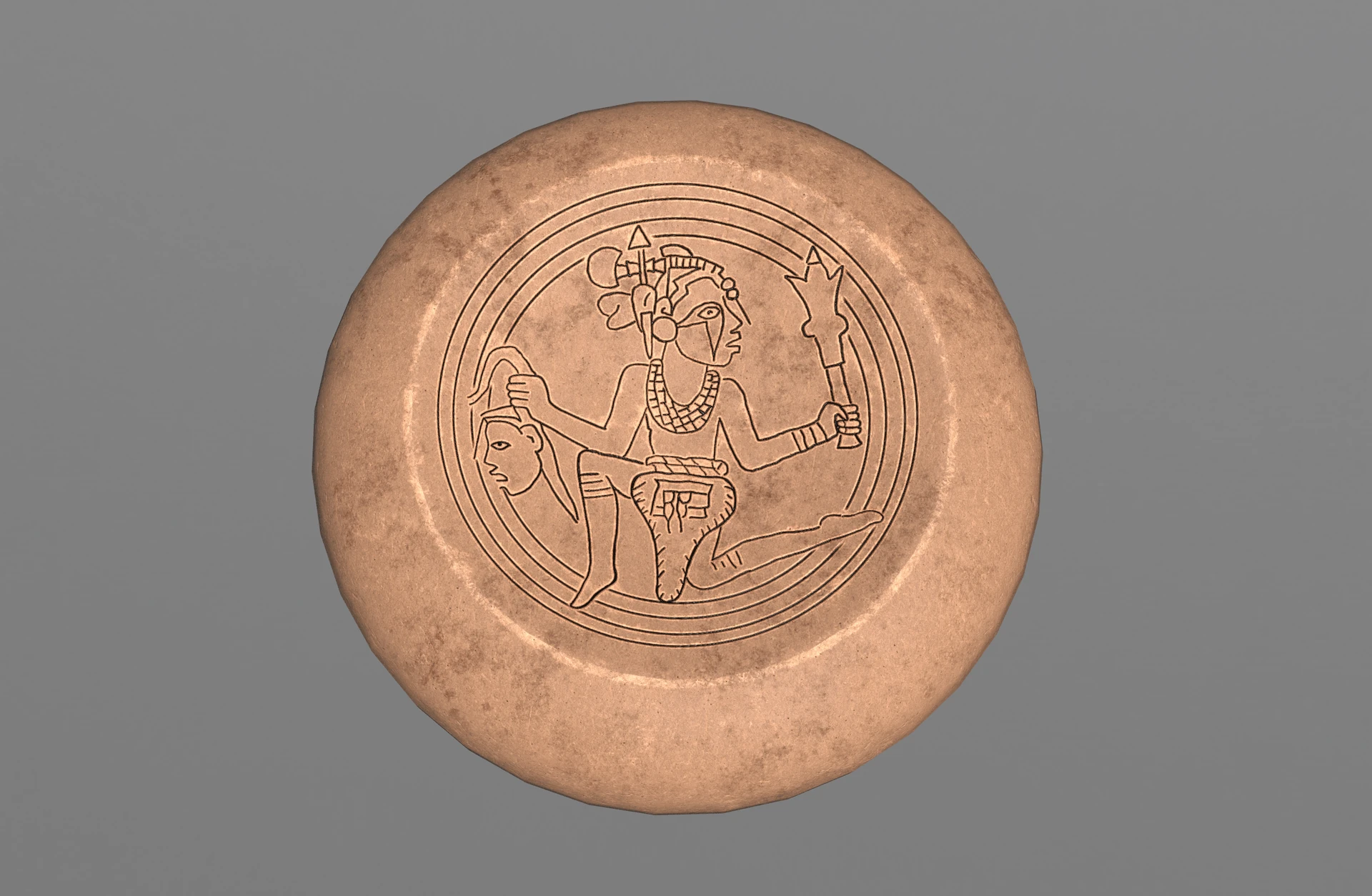
Archaeological and graphic references inform motif language and pattern density, but the final look prioritizes clarity over ornament. The result aims to feel contemporary and stylized while remaining respectful to the cultural sources it draws from.
.webp)
.webp)
.webp)
.webp)
.webp)
.webp)
.webp)
.webp)
.webp)
.webp)
Character & Asset Development
Focused on bringing the playable world to production quality for a real-time, exhibition environment:
Character rigging and animation tuned for gesture-driven actions (roll / throw / run).
Look development and material calibration for projection readability and consistent lighting.
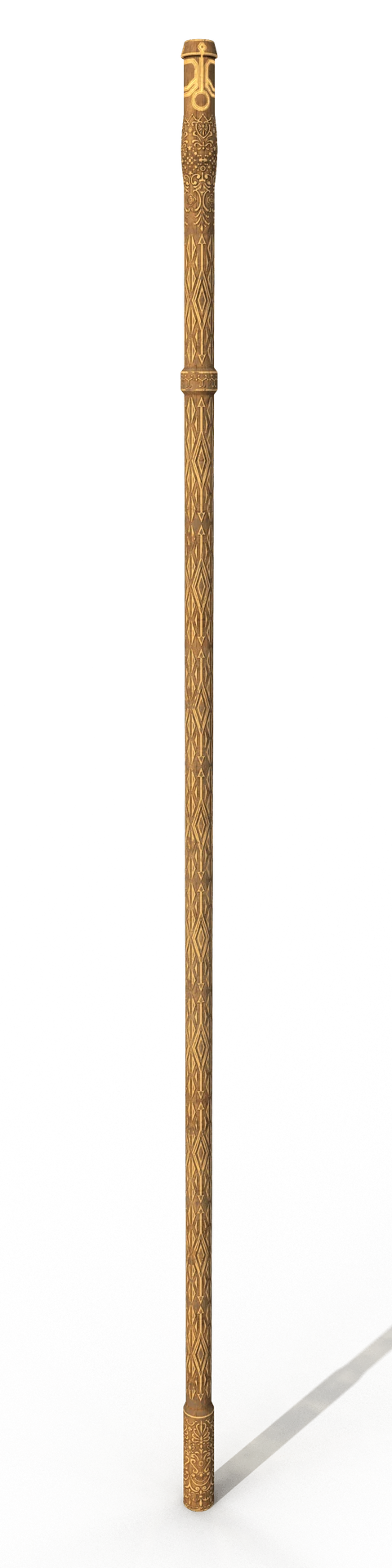
Prop and environment assets optimized for stable performance and clear silhouettes.
Real-time integration support to ensure animations, timing, and camera framing read cleanly during gameplay.
Gameplay & Visitor Experience
Visitors use gesture-based controls to respond to a rolling Chunkey stone, testing timing and prediction in a short, replayable game. Clear visuals and on-screen guidance make the experience easy to follow across projection viewing distances.
The Kinect-tracked wall projection supports one or two players, with an AI opponent for solo play. Sessions last approximately four minutes, with regular and wheelchair-accessible modes.